
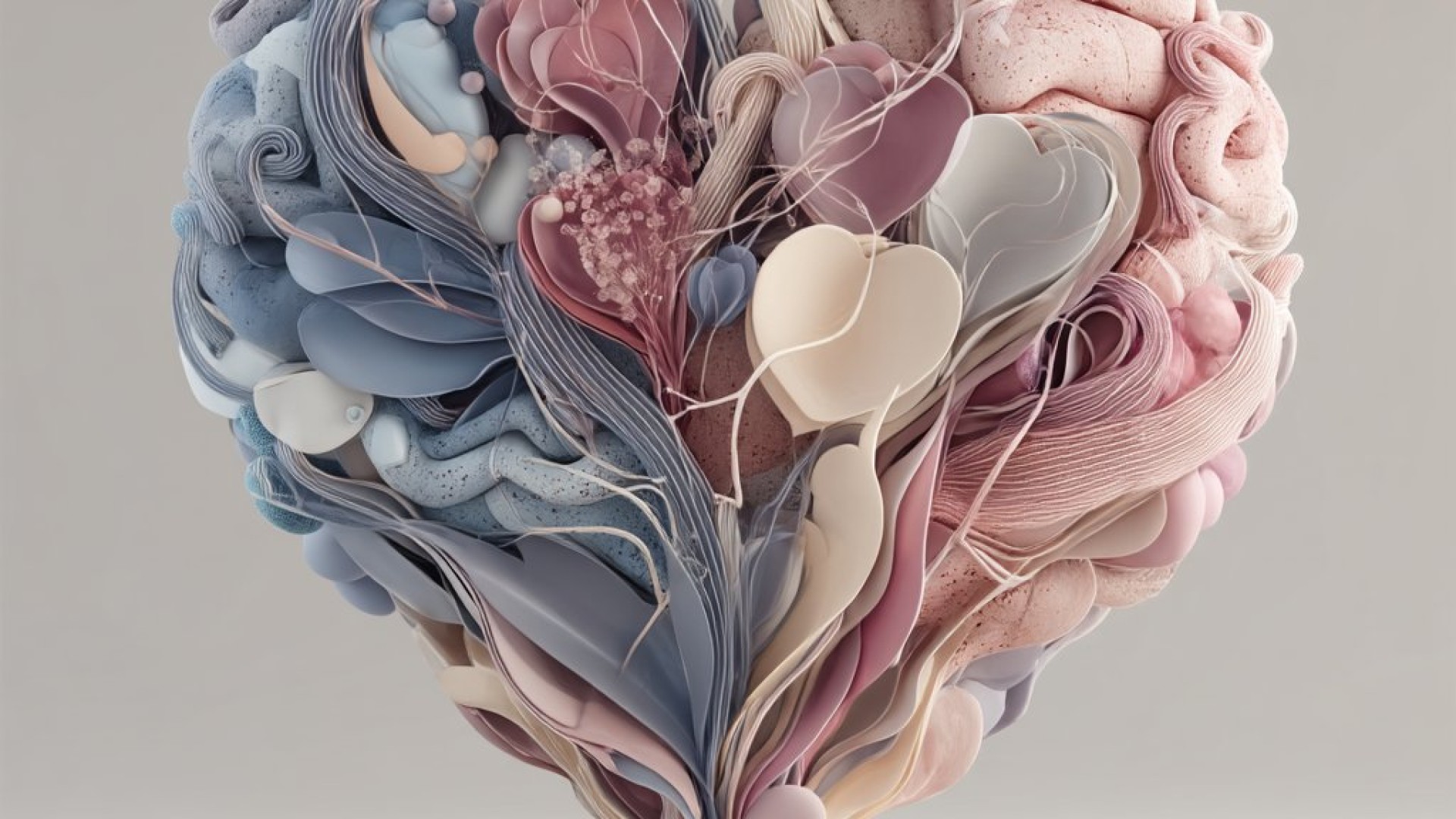

Did you know that our brain plays a crucial role in our relationships? Emotions, attachments, and attraction are not just impulsive reactions, but the result of complex neurological processes. Understand how the brain governs our love life!
Love is one of the most complex experiences we can have as humans. Often, we feel like we're caught in a whirlwind of emotions that carries us in unpredictable directions. But what many don't know is that these deep feelings arise not only in the heart but especially in the head. Our brain processes millions of pieces of information and decides with whom we want to connect. In this article, we will explore how the brain controls these processes, how we understand our emotions, and how we can consciously experience love.
The chemical substances of attraction
One of the most important components that influence our love life are the hormones and neurotransmitters released by our brain. Dopamine, known as the 'happiness hormone,' plays a crucial role when we fall in love. It is responsible for the euphoric feelings that come with a new love. Oxytocin, also known as the 'cuddle hormone,' enhances the bond between partners. During touches or intimate moments, oxytocin is released, leading to a deep sense of connection. Understanding these biological foundations can help us better comprehend our feelings and recognize the dynamics in our relationships.
The role of the past in love
Another fascinating aspect of love psychology lies in how our past shapes our present relationships. Our early attachments to parents or caregivers can have profound effects on how we act in later relationships. For instance, if we had a stable and supportive environment as children, we tend to develop healthier relationships as adults. On the other hand, negative childhood experiences can lead to insecurities that manifest in our later attachments. Being aware of these patterns can help us consciously choose against them and cultivate healthier relationships.
The search for soulmates
In a world full of possibilities, we often ask ourselves: How do we find the right partner? Our brain makes these decisions not only based on surface traits but also considers emotional resonance and shared values. Studies show that we are often attracted to people who share similar values and life views as ours. Jonathan Haidt, a psychologist and author, often speaks of the importance of the 'emotional chemistry' that exists between two people. By getting to know ourselves better and consciously connecting with others, we increase our chances of developing genuine, profound relationships.
In conclusion, our brain plays a key role in how and whom we love. Biological, psychological, and emotional factors come together to shape our relationships. It is important that we are aware of these factors to make better choices in love and free ourselves from negative patterns. By getting to know ourselves and understanding our own needs and desires, we can build truly fulfilling relationships.
In love, it's not just about having feelings but also about learning how to express and communicate them. Knowledge is power, and the more we understand the mechanisms of love, the more capable we are of actively shaping it. So let's seize the opportunity to understand ourselves and others better and appreciate the beautiful moments in our relationships – because ultimately, it is love that enriches our lives.