
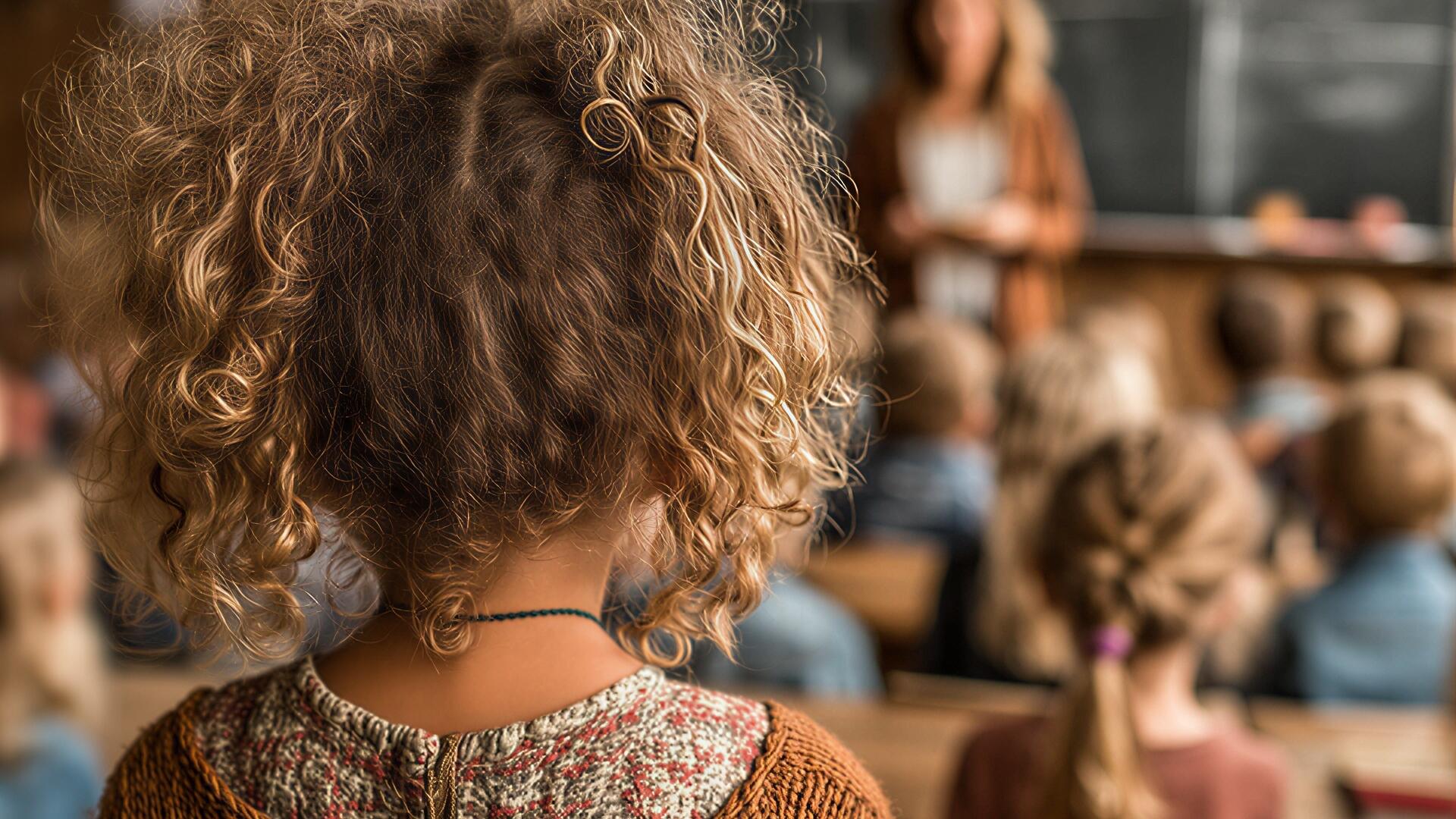

Empathy is one of the most important qualities that shape dynamic and successful relationships, especially in education. It is the ability to put oneself in the feelings and perspectives of others, allowing for a deeper connection with our children. At nikki.de, we not only share fashion trends but also valuable insights about love and partnership that can enrich family life. In today's fast-paced world, where time is often a precious commodity, we must focus on what matters most: how empathy improves interactions between parents and children and how a loving partnership can serve as the foundation for a harmonious family life. Let us explore together how empathy influences children's development and the quality of our relationships.
The cornerstone of every successful education is empathy. It allows parents to not only recognize the needs of their children but also to respond to their emotional states. When children grow up in an environment where they feel understood, they develop a strong self-esteem and a healthy emotional balance. These feelings contribute to them becoming empathetic adults capable of maintaining healthy relationships in the future. It is important for parents to actively focus on listening to their children and taking their concerns seriously. This way, children learn that their opinions and feelings are valuable.
Another significant advantage of empathy in education is the ability to resolve conflicts peacefully. When a conflict arises between siblings or between parents and a child, empathetic parents can better understand why the children behaved in a certain way. Instead of reacting impulsively, they can analyze the situation and offer solutions that consider the needs of everyone involved. Empathetic parents understand that open communication and sharing feelings are key to conflict resolution. Through this approach, they promote a harmonious family life and strengthen the bonds within the family.
Empathy and Child Rearing Unite
The role of respect is crucial in education. When parents teach their children to be empathetic, they not only foster their social skills but also their emotional awareness. Children learn that it is okay to show feelings and to talk about their emotions. This education of emotional awareness helps them build strong friendships and maintain healthy relationships later in life. A child who grows up in an environment that promotes empathy will often adopt a loving and supportive attitude in their own relationships.
Another benefit of empathetic education is the modeling of role models. Children learn through imitation, and when parents show empathy, it directly impacts the behavior of the children. A father who gives examples of appreciation and understanding is likely to be treated the same way by his children. It is important for parents to be empathetic themselves in order to successfully pass this quality on to their children. By demonstrating how to listen, show understanding, and provide support, they help their children learn these skills.
The Connection Between Partnership and Education
The relationship between parents plays a crucial role in education. When parents maintain a loving and supportive partnership, they automatically transfer this respect and empathy to their children. A strong relationship between parents not only provides security but also serves as a model for children on how to develop their own relationships. An empathetic partnership fosters an environment where all family members feel free to express their thoughts and feelings.
Furthermore, children learn how important it is to resolve conflicts in a healthy way when they observe their parents doing so. For example, when parents are able to resolve their differences without accusatory language or fighting, they guide their children to apply similar strategies in their own relationships. This kind of emotional intelligence has far-reaching effects on children’s development and remains a lifelong gift.
Conclusion: Empathy as a Life Principle
In summary, it can be said that empathy in education is not only an important quality but also has a profound impact on children's well-being and the overall family life. It teaches us how important it is to understand others and helps create a loving and supportive environment. By promoting empathy, parents not only improve their relationship with their children but also their partnership. A strong, empathetic partnership leads to a stable family that can face all of life's challenges together.
The fundamental lessons of empathy are simple yet powerful. Here are some tips you can integrate into your daily life: listen actively, offer emotional support, practice patience, and encourage open communication. By valuing and living these principles, you contribute to creating a positive, empathetic family culture that enriches not only the lives of your children but also your own life.
Remember that a loving and empathetic family life is the foundation for a happy upbringing. When you recognize the importance of empathy and live it in your own relationships, you will continually experience the positivity it brings into your life. Let’s work together to create an empathetic world for the next generation.