
Family traditions can have a profound impact on our relationships. They not only shape how we interact with our partners, friends, and even our family, but also how we see ourselves and shape our own lives. In the modern world, which is often hectic and chaotic, lifescout.com offers a platform to shed light on such topics, especially in the context of personal relationships. Here we explore how family traditions can shape our understanding of attachment and connection, and how you can work on your own relationship by being aware of these influences. The goal is to build healthy, fulfilling relationships that bring joy and growth, and our articles provide in-depth analyses and practical advice to promote harmony in personal life and strong, trusting connections.
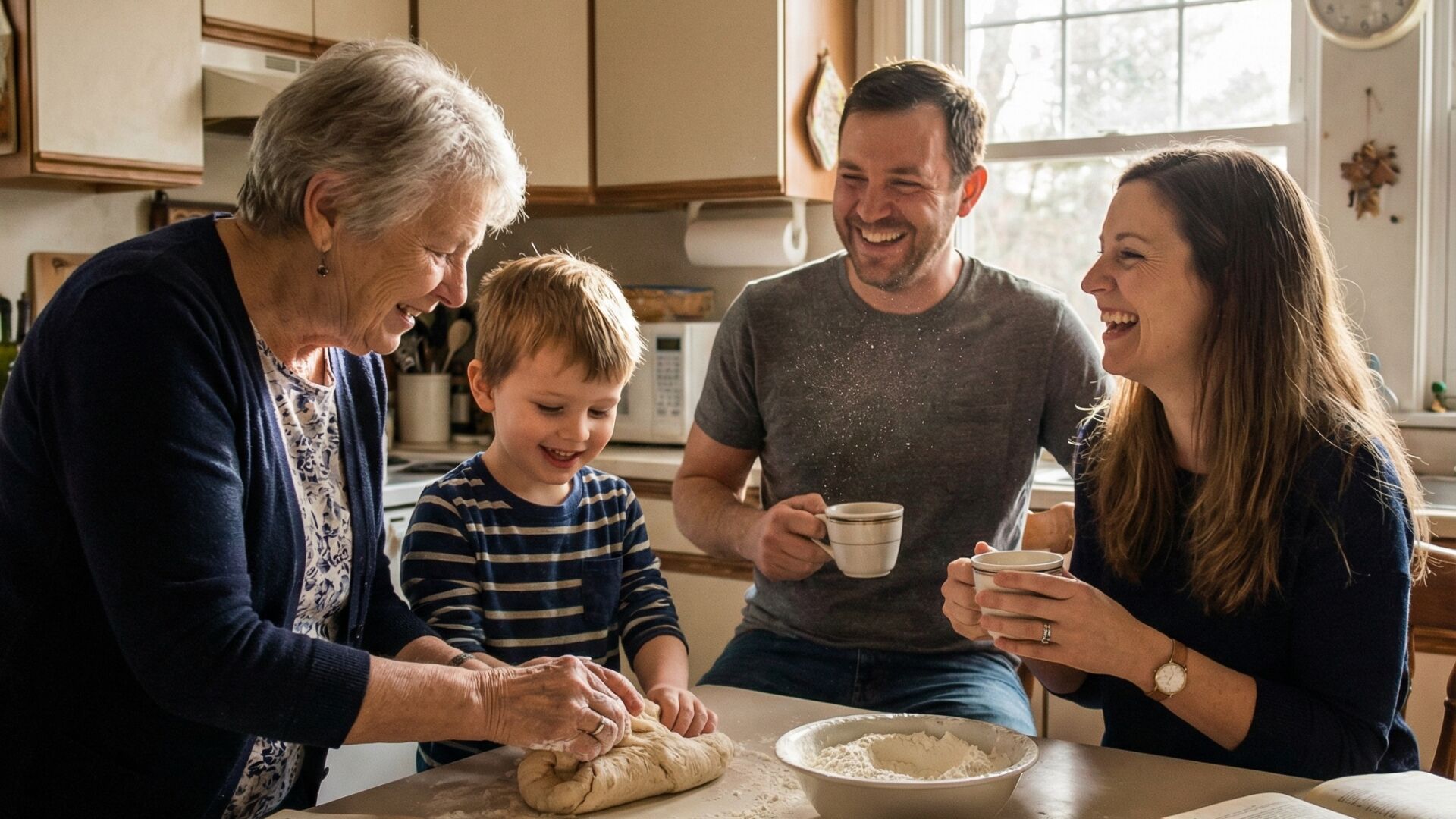
Family traditions often consist of rituals, stories, and limiting beliefs passed down through generations. They can have both positive and negative effects. On one hand, they promote unity and a sense of identity. Traditions like regular family dinners or celebrating holidays together strengthen bonds. On the other hand, certain beliefs, such as 'men are the providers' or 'women's role is to care for the children,' can hinder the development of equal relationships. When you become aware of your family's traditions, you can recognize which ones you want to keep and which are worth discarding.
The Influence on Communication
The way families communicate often forms the foundation on which our own communication styles are built. For example, were you raised in a family where conflicts were suppressed or more vocally expressed? Such patterns carry over into our own relationships. An open conversation about feelings can become the norm, or one may learn to avoid emotional topics. By reflecting on your own communication behavior and relating it to what you brought from your family, you can communicate more consciously and healthily.
Another aspect is how we handle conflicts in relationships. If, for example, conflicts in your family were never truly resolved but simply ignored, you might follow that pattern. In this case, it is helpful to learn new techniques to approach conflicts constructively. Participating in workshops or reading books about effective conflict resolution can help break these old patterns and instead develop productive communication strategies.
Beliefs and Their Effects
The beliefs passed down from our ancestors can often guide the subconscious. Do you believe that love has to be hard-earned? Or that one must always be ready to sacrifice? Such convictions can put pressure on your relationship that is not necessarily needed. By starting to question these patterns, you can begin to develop a healthier perspective. It is important to become clear about how these beliefs influence your decisions.
It can also be beneficial to talk with your partner or friends about your family traditions and their visible effects. Such conversations can help clear misunderstandings and foster a dialogue about healthy relationship dynamics. Sometimes it is an eye-opening experience to see which beliefs have solidified and how they affect current relationship life.
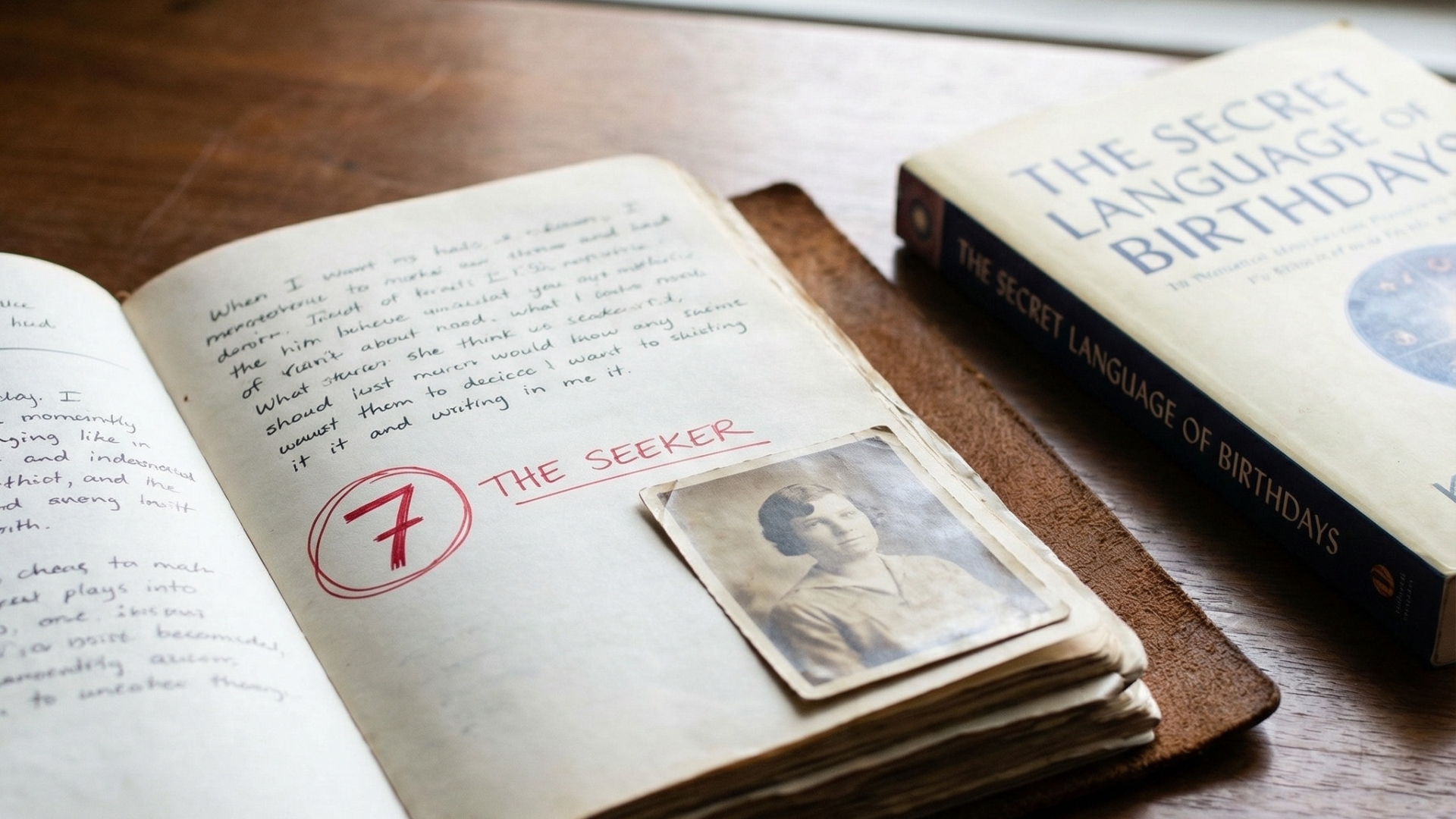
Facing old beliefs can be a challenge, but it is the first step toward being more authentic in your relationships. You can read about and try various techniques to establish positive beliefs. This could happen, for example, by keeping a journal where you reflect on your thoughts and feelings as well as write down positive affirmations about yourself and your relationships.
Practical Tips for Healthy Relationships
To benefit from positive family traditions and overcome negative ones, there are some practical approaches that can help you. Start by regularly spending time with your partner or family to develop new traditions that reinforce the positive ones. This could be a weekly dinner tradition or shared activities where everyone brings their interests. This way, you create new memories and a bonding space that is enjoyable for everyone.
Another practical approach is practicing mindfulness. Mindful communication means actively listening and clearly expressing your thoughts and feelings. Take time to think before you speak and invite your partner to do the same. This helps reduce conflicts and develop a deeper understanding of one another. The more conscious and attentive you are with each other, the stronger your bonds will become.
Finally, you should not forget that building healthy relationships is an ongoing process. It is perfectly okay to be imperfect. Learn from your experiences, be patient with yourself and others. When you notice unresolved family traditions, face them with compassion and understanding. It is a path to self-improvement, and it is important to take this journey step by step.