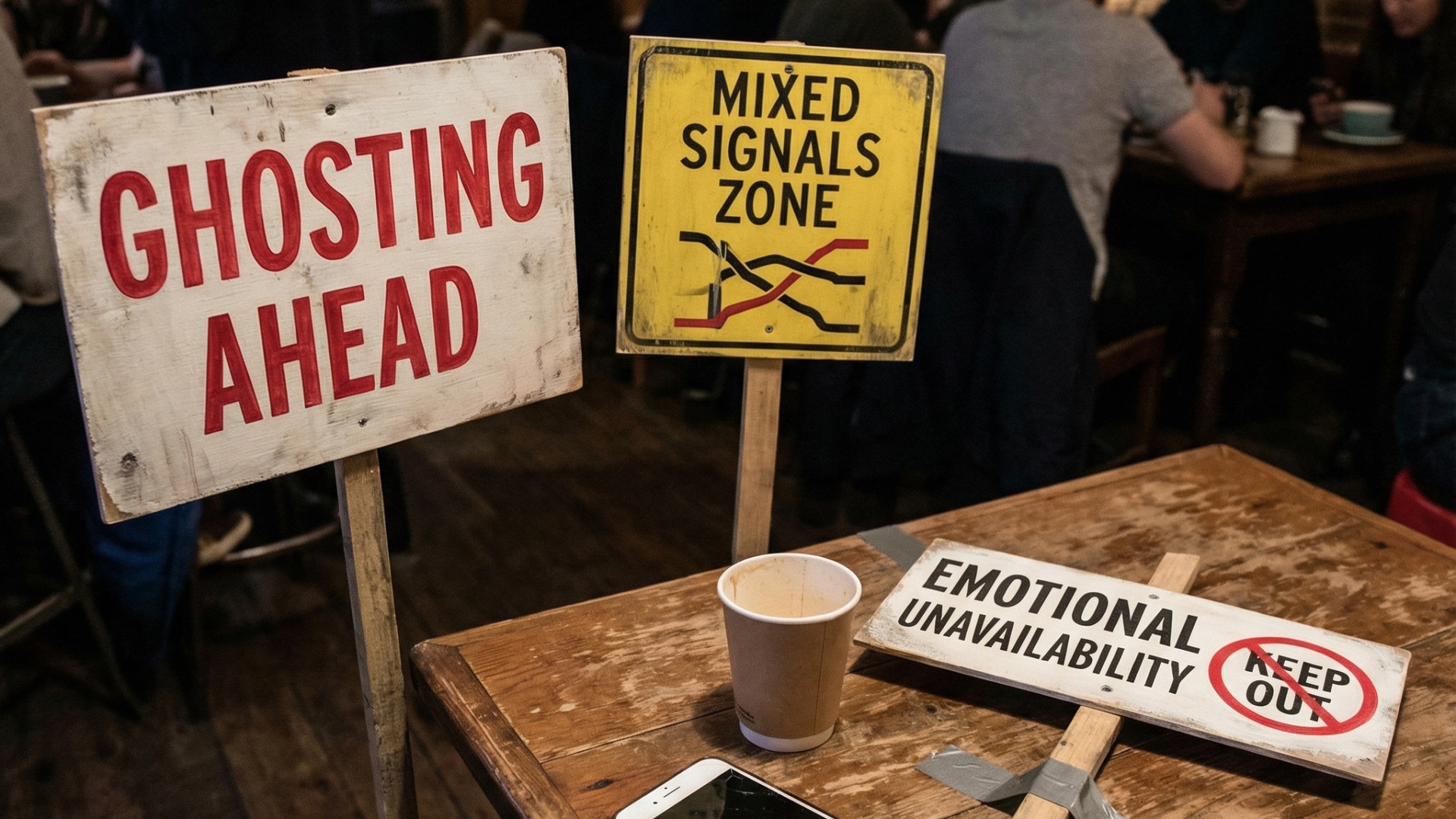


Have you ever felt that your past relationship still weighs heavily on you? Relationships, trauma, healing - these are the three key terms that can help you understand your emotional state. Many people carry emotional baggage from previous relationships, which can negatively impact their current lives. In this article, we will examine the 9 signs of relationship PTSD and help you gain clarity.
The first step is to recognize that emotional injuries need to be taken seriously. If you are still suffering from emotional wounds after a difficult relationship, it is important to accept your feelings and make space for them. Often, we ignore these feelings or try to hide them instead of confronting them. By taking the time to understand your emotions, you ensure that they do not continue to limit you in your daily life.
Emotional Distancing
A common sign of relationship PTSD is emotional distancing. You may notice that you have trouble connecting with new partners or allowing yourself to feel. You might struggle to truly open up, even though your new partner offers you security. This distance can be a protective measure to shield you from further pain, but it can also hinder happiness and intimacy in a new relationship. Take the time to recognize this dynamic and understand why this might be the case for you.
Nightmares and Flashbacks
Another indication of relationship PTSD is nightmares or flashbacks resulting from experienced emotional trauma. These can strike you in the middle of the night and evoke memories of past injuries that you may have thought you had long since overcome. It is important not to ignore this distress, but rather to actively deal with the lingering feelings. Confronting traumatic experiences is key to overcoming and healing, even if the process seems painful.
Excessive Jealousy
Projecting fears and insecurities onto your new partner can manifest as excessive jealousy. If you are constantly afraid of being hurt or abandoned, it can lead to a perpetual cycle of distrust and conflict. This jealousy can be burdensome for both partners and create a vicious cycle that makes it difficult for any relationship to thrive. It is important to openly discuss these feelings and find ways to rebuild your trust to foster a healthy relationship.
There are many facets of relationship PTSD, and it is easy to feel that this past keeps seeping into your life. Consciously addressing these patterns helps you overcome them. Do not hesitate to seek help in the form of therapy or support groups to better understand your emotional world and process your experiences. Remember that you are not alone, and there are many others who have gone through similar experiences.
Ultimately, recognizing the initial steps towards healing is crucial. It takes courage to confront your fears and wounds, and it is normal to need support in this process. The first step is to be honest with yourself and accept that your past has an impact on your present life. Pay attention to the signs that your body and mind are giving you, and be ready to actively work towards leading a fulfilling and joyful life.
To summarize: If you recognize some of these signs of relationship PTSD within yourself, that is the first step towards experiencing healing. Take the time to reflect, listen, and seek support. A healthy relationship with yourself is the key to happiness in new relationships. Believe that change is possible and that you are capable of having a fulfilling and loving relationship - both with yourself and with others.