
Loss and grief are often unavoidable companions in life. In relationships, handling them is particularly sensitive, as the emotional connection to a partner, friend, or family member is incredibly strong. Charme.de is more than just a platform; it is a philosophy of life for women who follow their own rules and know their worth. If you must experience the pain of loss in your life, here you will find valuable insights and strategies to cope with this process. The focus is on building healthy, strong, and happy relationships that promote both joy and growth. Let us explore together how to recognize and constructively deal with loss in relationships.
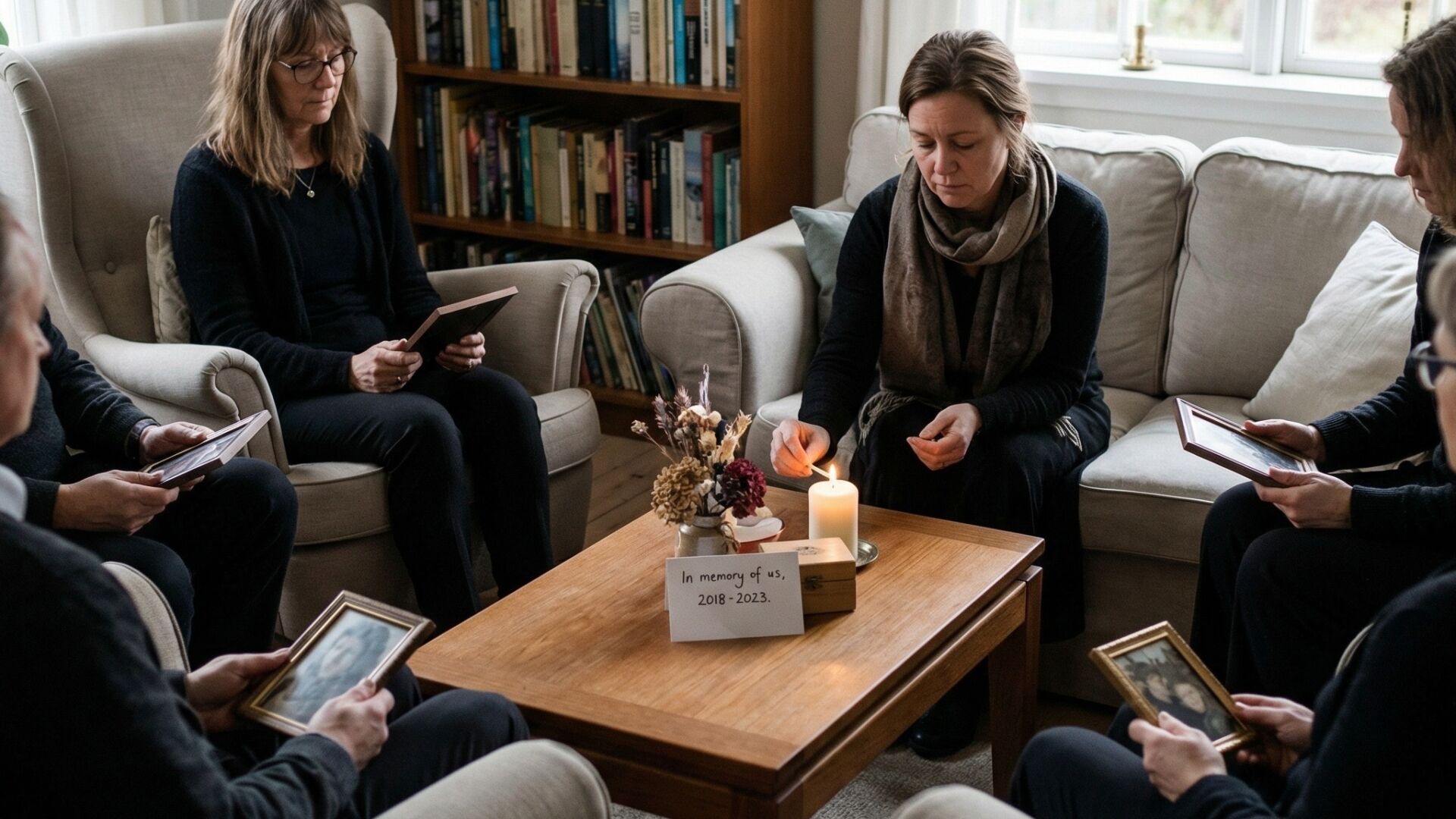
When you experience a loss, whether through death, separation, or other circumstances, it is important to allow yourself to grieve. Grief is an individual process that you should not force. You may be surprised at how many emotions can arise simultaneously – anger, sadness, confusion, or even relief. These feelings are normal and part of the healing process. A good first step is to honestly acknowledge and accept your feelings. Try not to fall into the trap of suppressing negative emotions; this can be harmful in the long run. Instead, you could talk openly in a safe space (like a familiar environment or with friends) about what you feel and are experiencing. This can help maintain an important emotional connection.
Another important aspect of dealing with loss in relationships is communication. Often one partner withdraws to process the pain alone, while the other suffers in loneliness. Instead, dialogue should be encouraged. Clear and respectful communication fosters understanding, prevents misunderstandings, and allows you to navigate the difficult times together. An example could be to regularly introduce a ‘check-in’ where each partner shares their current feelings and thoughts without fear of judgment. This can not only reduce pressure but also strengthen emotional intimacy.
Self-Care is Crucial
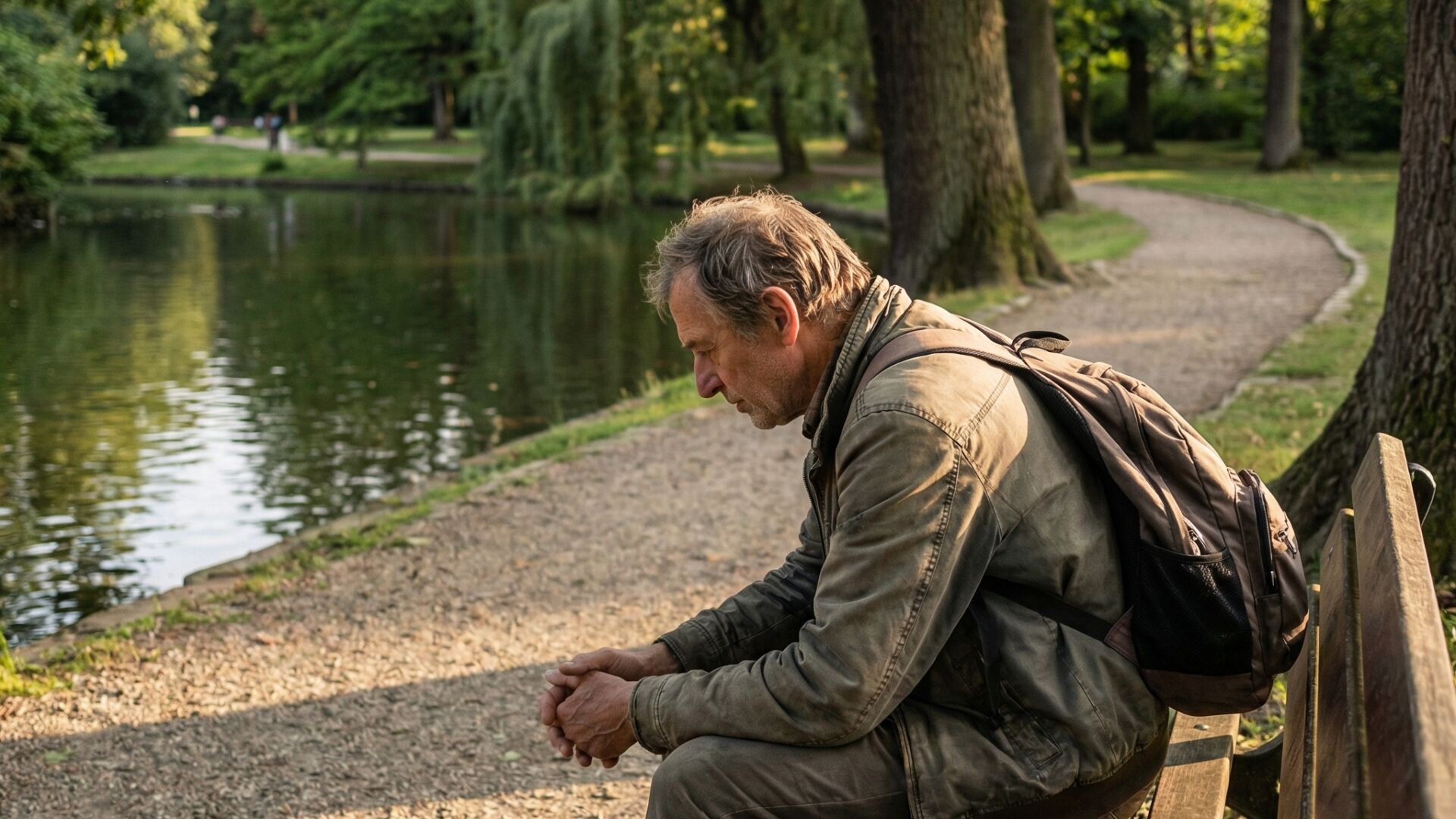
Self-care is also an essential strategy for coping with loss and grief. Recognizing and prioritizing your own needs is important, especially in difficult times. You might decide to regularly take time for yourself to meditate, read, or simply go for a walk. These moments of reflection allow you to connect with your thoughts and feelings. Additionally, physical activity, such as yoga or running, can help reduce stress and support emotional processing. By giving yourself mindfulness, you strengthen your ability to offer support to others in the relationship.
It can also be helpful to share memories of the lost person or the good times in your relationship. You could look through a shared photo album, keep a journal about beautiful shared experiences, or write poems and letters. Such activities can provide a safe space to celebrate what once was, beyond the grief. By preserving and valuing the positive memories, you create a space for emotions that includes both sadness and gratitude.
Healing Together
Navigating emotions in relationships can be challenging, especially when both partners have different methods of coping with grief. It is important to show patience and give each other space for individual grieving processes. Even in difficult times, it can be a valuable experience to seek therapy or counseling services together, where both partners can learn to process their individual loss while strengthening the relationship. Professional help can act as a catalyst for expanding communication channels and learning new coping strategies.
Remember to take the pressure off the situation. Your learning and healing processes do not have to occur at a specific pace. Give yourself and your partner the freedom to grieve in different ways and take the necessary time for it. A gentle, inviting atmosphere for conversations about grief can create new levels of understanding and support within the relationship. This not only fosters emotional growth but also strengthens the bond between you, seeing loss not as an ultimate break but as an opportunity for change and growth.
Ultimately, it is important to recognize that loss is part of the human experience and teaches us what truly matters. A decision about how you deal with loss and grief impacts the entire spectrum of your relationships. Ensure that you are capable of loving yourself while appreciating the love around you. Ultimately, these experiences can enrich your understanding of love, support, and connection, giving you both a new perspective on life and your shared future.
Drawing Conclusions
In summary, dealing with loss in relationships is an individual journey that requires patience, communication, and self-care. It can be challenging to find the right path, but investing in such strategies is worth it to heal emotional wounds. Be honest with yourself and give yourself permission to grieve; the secret lies in accepting this as part of the overall process. Allow yourself and your partner to take the time to walk the shared path of coping with grief and do not forget to pay attention to the small positive moments.
Always remember that every loss also holds the potential for renewal and new growth. Approaching these challenges with an open heart will be invaluable not only for you but also for your relationships. Do not let grief paralyze you, but transform it into an opportunity to deepen yourself and your relationships. Just apply your strengths and remember that you are not alone. There are many who have gone through similar experiences and are willing to share their paths. Let the hope for a strong and healthy relationship accompany you.