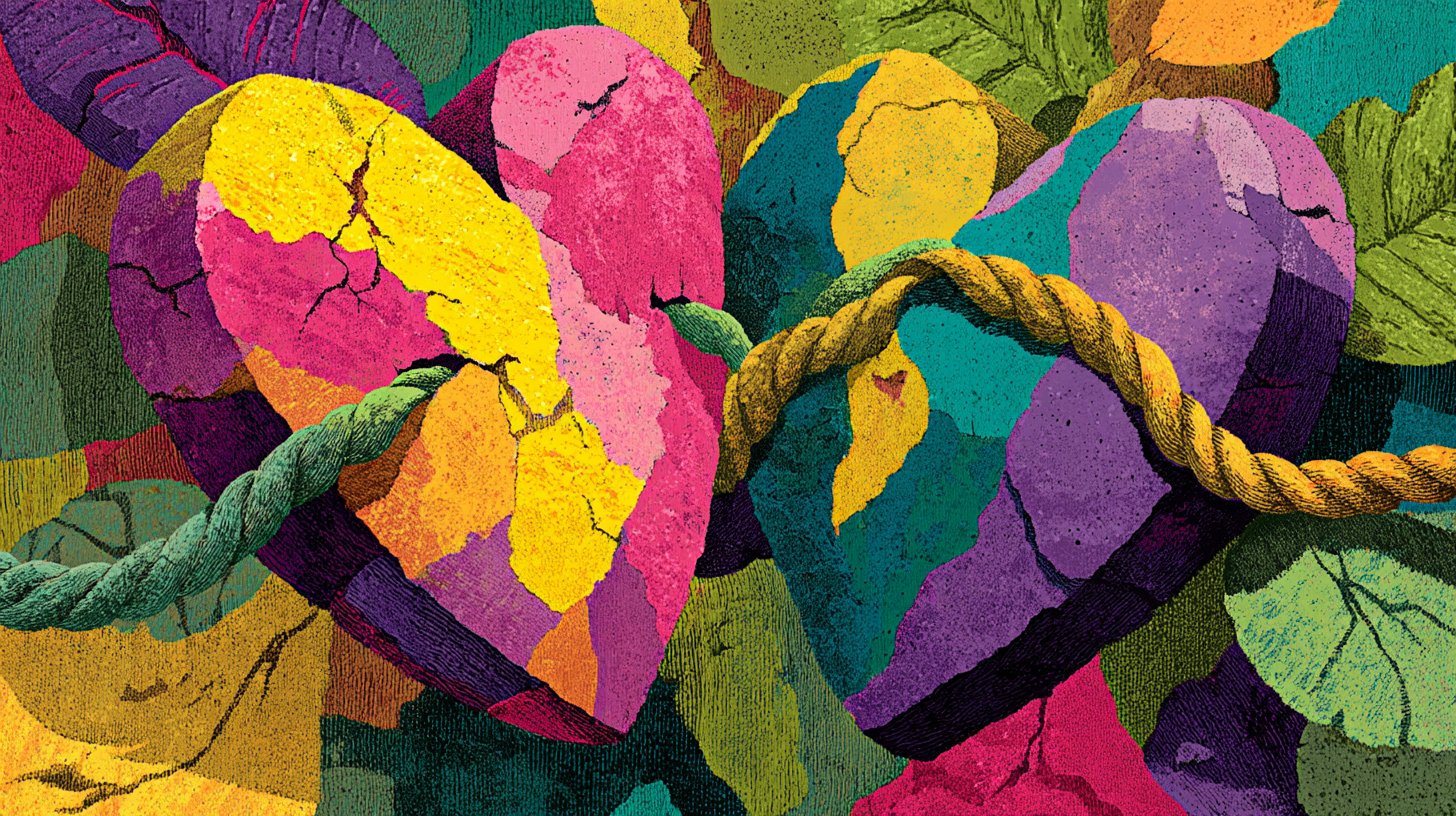


Friendship, trust, honesty – these are the pillars of a good relationship. But what happens when these pillars start to wobble? Sometimes the subtle signs of a fading friendship are hard to recognize. If you feel that something is wrong between you and your best friend, it might be time to take a closer look at your relationship. Here are seven signs that could indicate that secret tensions are building in your friendship.
A friendship should be a place of comfort and understanding. But sometimes, one finds that the dynamics between oneself and one's best friend are no longer as harmonious. Communication becomes less frequent, meetings happen less often, and there is a feeling that something is standing between you that isn't being addressed. It's not uncommon for the stresses and challenges of life to affect relationships with others. However, it is important to recognize the signs before it is too late.
Criticism instead of support
One of the most obvious signs that the friendship may have serious problems is a constant negative attitude towards each other. If your best friend repeatedly reacts critically to your decisions or hardly gives positive feedback, it could be an indication that she is no longer really happy about your successes. Instead of supporting you, she might take pleasure in witnessing your failures. This is often a sign of envy or insecurity and can lead to hurtful conflicts if left unaddressed. Here, it is important to speak openly about your feelings and find out what is really behind this. An honest discussion can work wonders and clear up misunderstandings.
Avoidance behavior
Another clear sign could be if you notice that one or both parties are avoiding meetings. If your friend starts frequently making excuses for why she can't come, or if you feel that she prefers to spend time with others, that can be a warning signal. Avoidance can arise because one wants to sidestep conflicts or avoid uncomfortable conversations. However, this tactic often only leads to pent-up tensions and escalating problems. Here, it can be helpful to talk directly about why this distance has arisen. Sometimes it is just a clumsiness or a misunderstanding that can be clarified quickly.
Creeping aversion
A particularly noticeable point is the shift in emotional reaction. If you find yourself getting upset about things your friend does, or if small things escalate into major conflicts, this could indicate hidden aversion. Such feelings can develop from an injury that is recognized but never addressed. A creeping aversion is often the result of unspoken expectations and dissatisfaction. At this stage, it is important to take time to delve into your own feelings. Just knowing that something is wrong is the first step, but bringing these feelings into the friendship can promote healing.
In summary, many discrepancies can arise in a friendship without one being aware of it. The signs that there are secret tensions between you and your best friend are often subtle, but looking at critical points – such as behavior, communication, and emotional reactions – can help gain clarity. It is important to give the friendship the attention it needs. Open and honest conversations are the way to clear up misunderstandings and strengthen the bond. If you feel that something is standing between you, bring it up! Friendships are valuable and deserve to be nurtured.
Finally, friendships are like living organisms that thrive on care and attention. When we do not ignore the signs of difficulties and are willing to discuss things openly, we can improve the quality of our relationships. Whether through shared laughter, sharing dreams, or supporting each other in tough times – true friendship is a treasure that deserves to be preserved. Remember that it is perfectly normal to have difficulties; what is important is how we react and whether we are willing to work together and find solutions.