
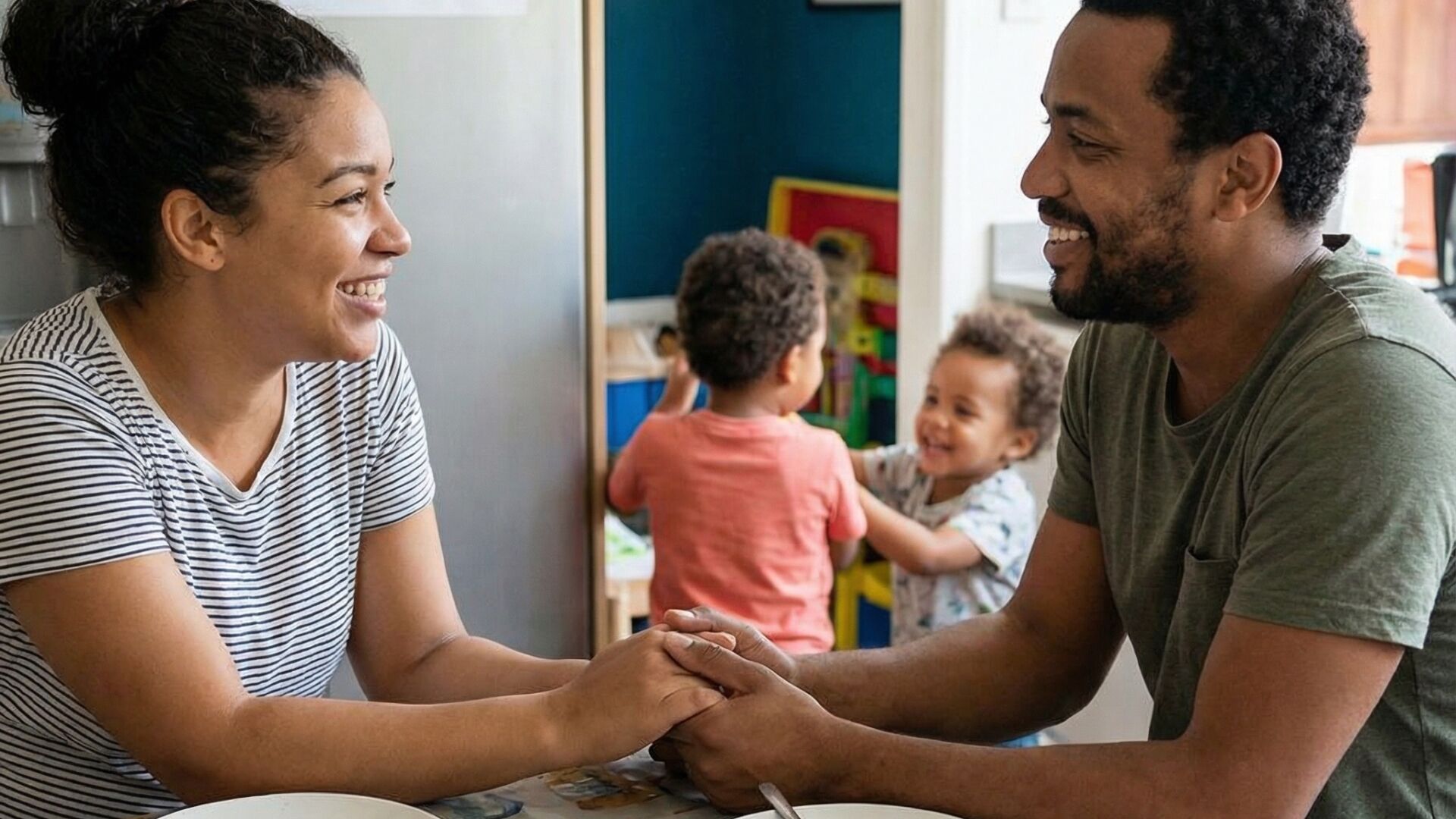

In today's society, respect in the upbringing of joint children is a decisive factor for harmonious relationships between partners. Parents often face the challenge of developing a unified educational strategy that meets not only the needs of their children but also strengthens their partnership. Respectful interaction creates not merely a positive atmosphere at home but also shows the children how important it is to build relationships on a foundation of appreciation and trust. Natinka.de offers you valuable insights and tips on how to live respect in your education and thus strengthen the bond within the family. Let's explore together which methods can help sensitively and successfully implement respect in the upbringing of joint children.
Respect arises in education through clear communication and understanding between parents. It is important that both partners openly discuss their educational ideas and find compromises. This means not only respecting each other's opinions but also discussing in a way that involves the children in the decision-making process. When children see that their parents treat each other with respect, they learn from the very beginning how important mutual respect is in any relationship. A simple example here is when parents set certain rules for their children's behavior and also adhere to those rules themselves. This conveys to the children a sense of fairness and shows them that everyone in the family has a voice.
The Role of a Joint Educational Strategy
A unified educational strategy is crucial for the success of upbringing. When both parents synchronize their views and methods, the family climate becomes more harmonious and stable. Children feel safer in a consistent environment where they know what is expected of them. To achieve this, parents should regularly set aside time for reflecting on their educational approaches. This could take the form of weekly conversations or even informal meetings where everyone can share their thoughts and experiences. Such gatherings not only promote understanding for each other but also strengthen the partnership and trust between the parents.
An effective way to develop a unified educational strategy is to create a canon of values. Parents should agree on the fundamental values they wish to impart to their children. This could include respect, tolerance, honesty, and empathy. By focusing on these common values, they can effectively ensure that their educational strategies are coherent and that the children consistently receive the right messages. These values should then be reinforced through everyday examples and conversations that parents have with their children, allowing them to internalize the foundations of respectful interaction in social contexts.
Lastly, it is important to remember that respect is not a one-time affair but must be lived continuously. By being role models and treating each other respectfully, parents not only strengthen their relationship but also promote the positive development of their children. It is important to spend time together regularly to not only reflect on parenting but also to strengthen the relationship with each other. Discussing personal experiences or challenges in upbringing can help develop a deeper understanding of each other and experience a solidifying partnership.
The Importance of Respect for the Children
By living respect in education, parents also convey the foundations of respectful behavior to their children. This includes involving the children in decisions, asking for their opinions, and showing patience and understanding during conflicts. This form of respect confirms to children that their views and emotions are valid. It not only creates a safe environment but also teaches important social skills such as willingness to compromise and empathy. When children experience that their views matter, they learn to treat others with respect and show respect to their parents as well.
In summary, respect is one of the cornerstones in the upbringing of joint children. By creating a shared educational strategy and nurturing respectful interactions between partners, a family environment emerges where children can grow and thrive. It is important for you and your partner to continuously work on your communication, thereby creating a respectful climate that strengthens both your relationship and the development of your children. Respect is therefore not just a word but an active endeavor that should be lived anew every day.
Conclusion and Encouraging Perspective
In a time when stress and hustle often dominate family life, it is all the more important to take the time to celebrate respect in education regularly. This means actively pondering educational strategies, engaging in dialogue, and living a respectful role model function. The education of joint children should be a shared task that is promoted through mutual support and understanding. Through this positive dynamic, not only is the relationship between partners strengthened, but a deeper bond with the children is also created. Together, you can tackle many challenges and build a harmonious, respectful family atmosphere.
Ultimately, respect in education is a gift that you can give to your children. By allowing them the opportunity to grow up in a respectful environment, you open the door to positive development that ultimately promotes the happiness and satisfaction of the entire family. You are the architects of what your children will realize in their relationships and lives. Create a loving and respectful foundation for future generations.