
Meditation can be a wonderful practice to bring inner peace and balance into your life. At charme.de, we believe that it is important to learn this skill in order to unleash your true potential and discover your personal strength. Spirituality is the key to a deeper understanding of yourself and the world around you. In this step-by-step guide, you will learn the basics of meditation and discover how you can start calming your mind and diving into silence. Let us dive into the fascinating world of meditation together and find out how it can help you lead a more fulfilling life.
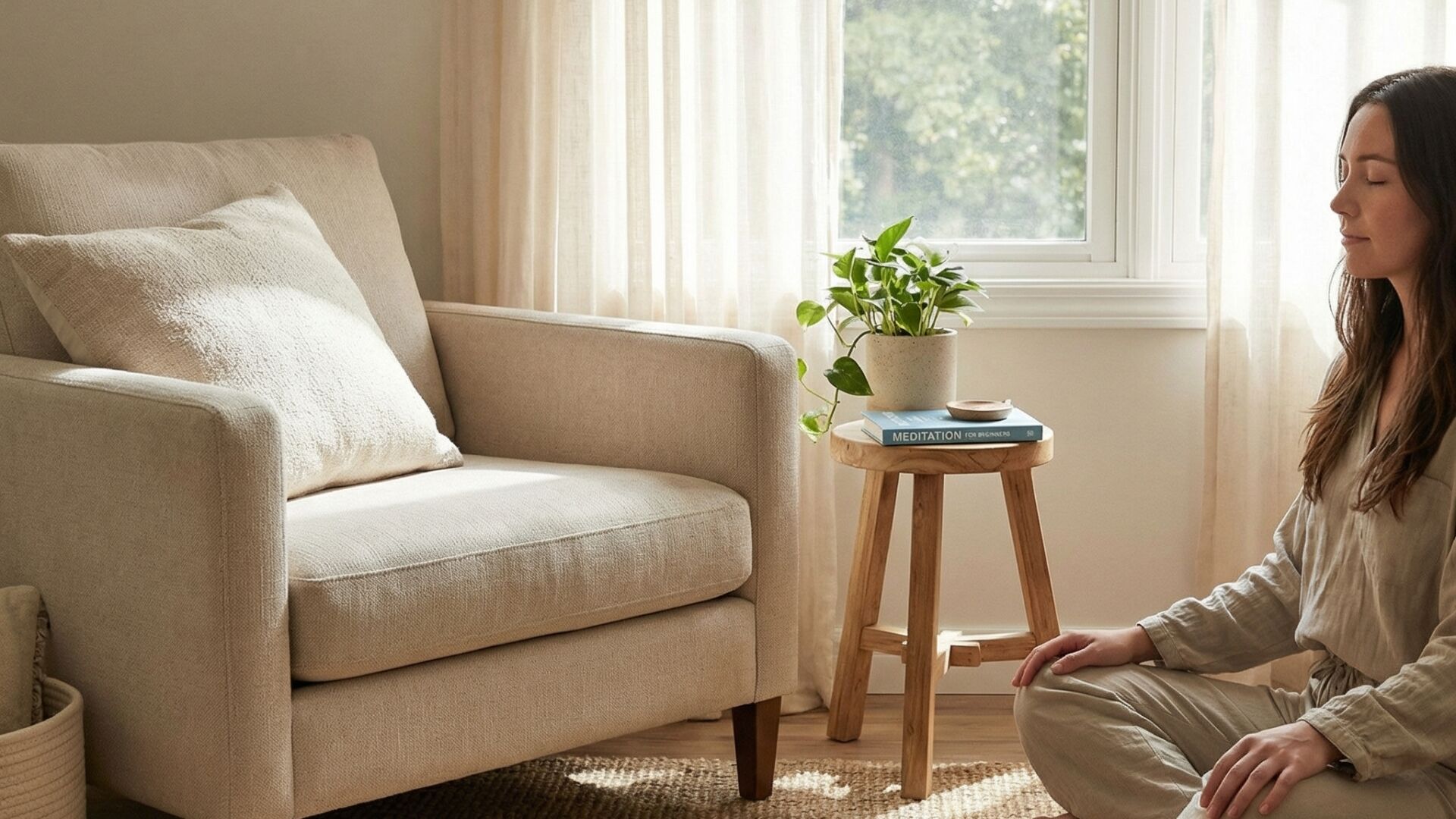
The first step to meditation is to find a quiet place where you feel comfortable. Ideally, it should be a space free from distractions and providing a pleasant atmosphere. Make sure that the room is well-ventilated and perhaps has a comfortable temperature. You can use a mat or a cushion to make yourself comfortable. The right environment supports your mind and body to engage in meditation. Consider whether you might even want to play music or nature sounds in the background to create the right mood.
Once you have set up your space, it is important to find a comfortable sitting position. This can be on a chair, on the floor, or even lying down, as long as you feel at ease. The main thing is that your spine is straight. This posture helps stimulate the flow of energy and prevents fatigue. You might place your hands in your lap or rest them in a mudra in front of your heart. Gently close your eyes or keep your gaze fixed on one point to promote your concentration.
Breath and Concentration
To begin meditation, first focus on your breath. Breathe in deeply and feel your lungs fill with air. Notice how your belly rises, and let go of all tensions as you exhale. You can count your breaths for a few seconds, inhaling to a count of four and exhaling to a count of six. This helps to focus your mind and minimize distractions. It's normal for thoughts to arise; however, try to simply let them pass without engaging with them.
A common misconception about meditation is that you need to be 'empty-headed.' This is not necessary. Instead, it's about observing your thoughts without judging them. When you notice that you are distracted by a thought, gently bring your attention back to your breath. Do this as often as needed. Over time, you will find that you become better at staying focused, and your thoughts will lessen as you practice regularly.
Start with short time spans, about five to ten minutes a day, and gradually increase the duration as you gain more confidence in your practice. You can also download a meditation app that offers guided meditations. These can be particularly helpful for beginners, as they serve as support and help you better understand the practice by providing guidance to relax and find the right posture.
Rituals for Daily Life
To integrate meditation into your daily life, you might set specific times. Perhaps you want to meditate in the morning before the day really begins, or in the evening to close the day calmly. It might also be helpful to connect this with a specific routine, such as drinking a cup of tea or journaling before or after meditation. Ritualize the practice according to your preferences to make this profound experience a fixed habit.
Another method you can integrate into your daily life is mindfulness. For example, when you go for a walk, try to consciously pay attention to the sounds, smells, and the feeling of the wind on your skin. Being mindful means fully experiencing the present moment and not drifting off in thoughts about the past or future. In this way, you can incorporate elements of meditation into various areas of life, providing you with a constant sense of peace.
While it can be challenging to maintain a regular meditation practice, be patient with yourself. Some days it will be incredibly easy, while the next day you may feel restless. That is completely normal! Do not view meditation as a 'task,' but as a gift you give yourself. The key is to stay consistent and continue to incorporate the practice as part of your life.
Final Thoughts on Meditation
In summary, meditation is a powerful tool for finding inner balance and peace. By meditating regularly, you not only promote your mental health but also strengthen your overall well-being. Remember that meditation is a personal journey, and each journey is unique. It is important that you do it at your own pace and pay attention to what feels good for you.
Don't be discouraged if you have difficulties at first. With each meditation session, you will be able to dive deeper into the experience and learn more about yourself. Take the opportunity to let this practice flow into your daily life and discover how it can change your perspective on life. It's time to take the first step and experience what meditation can do for you.