
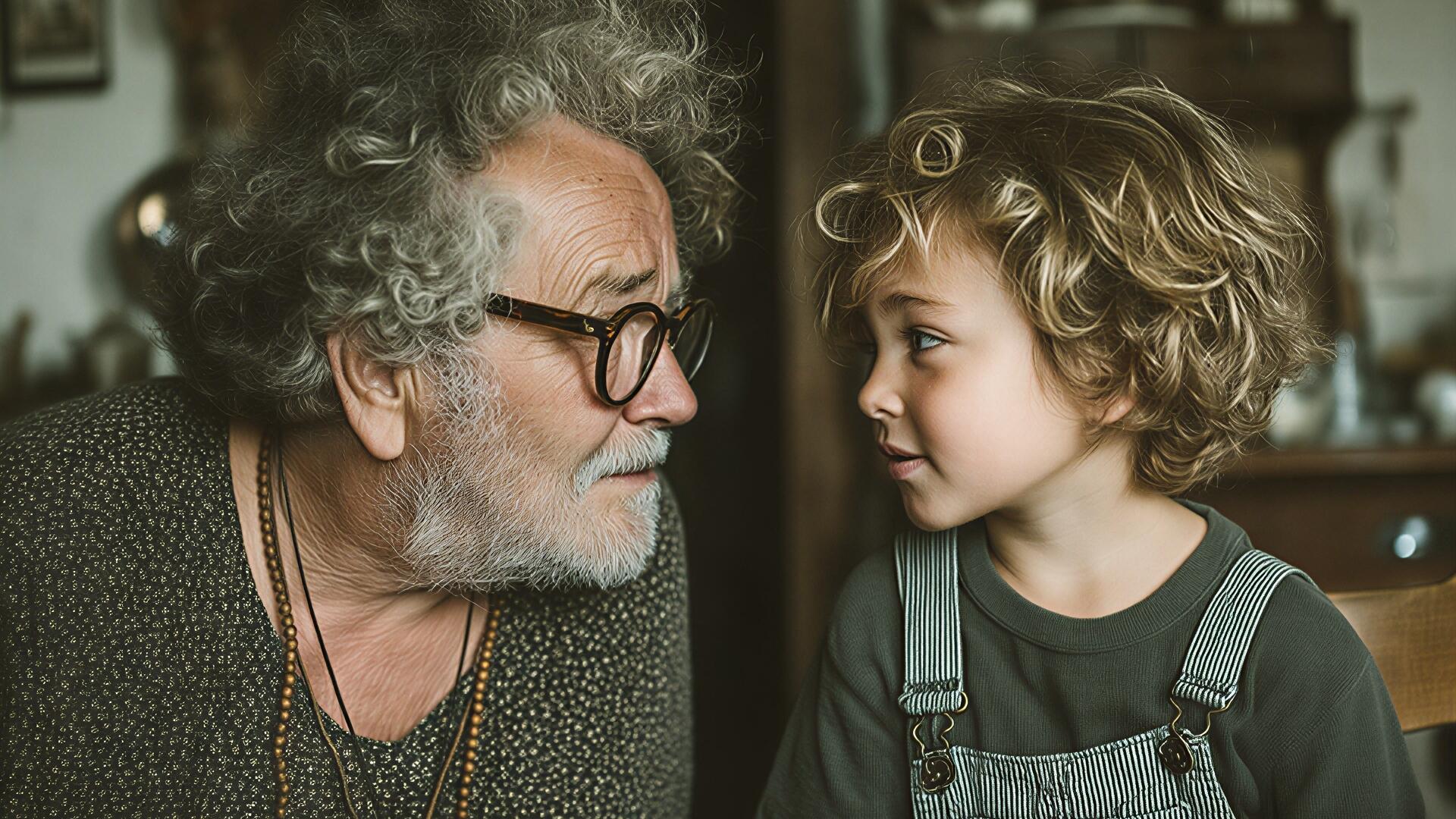

In relationships, exciting but also challenging moments can arise when different generations meet. The differences in values, communication styles, and worldviews can often lead to misunderstandings. At Georgia.de, we know how important it is to understand and harmonize these differences. Here you will find not only inspiring stories but also practical advice to help you recognize and appreciate the perspectives of other generations. In this article, we provide you with valuable strategies to effectively address generational differences in your relationships. Let's discuss together how you can enrich encounters with people of different ages.
The first strategy for successfully dealing with generational differences in relationships is active listening. Often, we have the urge to express our opinion immediately or to provide answers without truly listening. This is especially important when speaking with people who have a different life reality. Try to understand their experiences and viewpoints. A good approach is to ask open-ended questions that stimulate conversation. Instead of just exchanging information, allow others to share their own emotions and thoughts. This type of dialogue not only fosters understanding but also a sense of respect and appreciation for one another.
Understanding Values and Beliefs
One of the biggest challenges between generations often lies in the differing values and beliefs. Young people often bring new perspectives on social issues, while older generations are shaped by their experiences. An interesting approach could be to talk about shared values like family or friendship. Once you recognize these common grounds, it becomes easier to bridge differences. Take opportunities to discuss shared values and find out how your beliefs may complement each other. This fosters empathy and understanding of both our differences and similarities.
An example from everyday life: If your older relative asks you about their views on social media, you can explain your perspective. You might address both the positive and negative aspects of the digital world. This could lead to a shared discussion about the benefits of exchange, the risk of misunderstandings, and the importance of privacy. Through these conversations, you can clearly express your viewpoint while also addressing the concerns of the other party. Such conversations not only promote understanding but can also create new bonds.
Another important element is adaptability. Sometimes, you need to refine your approach to facilitate effective conversation. If you notice your usual methods are not working, be willing to find creative alternatives. This could involve opening up the space for less formal communication or creating humorous, relaxing moments to ease tensions. Additionally, there is the possibility of using non-verbal communication; body language, facial expressions, and gestures play a crucial role in understanding between generations. This way, you can break down emotional barriers and create deeper connections.
Encouraging Joint Activities
An excellent strategy to strengthen relationships between different generations is to spend time together. Planning joint activities can be a great opportunity to build understanding. These experiences can range from cooking evenings to joint outings. Such experiences create unforgettable memories and foster communication naturally. In such an environment, everyone feels freer to express themselves and discover new perspectives.
Especially in hectic times, it is a challenge to maintain healthy relationships. Setting fixed times for these joint experiences can help you tackle these challenges. For example, you could establish a monthly game day or a book club meeting where each generation presents their favorite games or books. This allows everyone to actively participate and fosters an appreciative atmosphere where all voices are heard. Such activities not only strengthen bonds but also help reduce prejudices.
It is also important to create a safe space for dialogue and discussion where difficult topics can be addressed. This can involve weekly meetings to discuss current events and highlight different viewpoints. Together, you can develop solutions and strengthen mutual respect, even if not everyone shares the same opinion. The key is that everyone feels comfortable and safe to express their views, regardless of which generation they belong to.
Conclusion and Recommendations for Action
In summary, understanding and appreciating generational differences in relationships can be a valuable enrichment for all involved. It is about building bridges and creating deeper connections through active listening, shared activities, and open conversations. Take the opportunity to expand your perspectives mutually and trust that these differences will strengthen your relationships. See it as an opportunity, as part of a continuous learning process that is significant for both younger and older generations.
Remember that the solution to generational tensions often lies in showing empathy and finding new ways of communication. By actively listening, building understanding, and creating opportunities for exchange, you can elevate relationships to a new level. Use every interaction as an opportunity to build a deeper connection and strengthen the foundation of a sustainable relationship where everyone is valued. In doing so, you not only create harmonious relationships but also contribute to creating a more harmonious coexistence in our society.
Don't forget that there is room for growth in every relationship. Your differing perspectives and experiences are not just a challenge, but also a valuable resource. Be ready to evolve, ask questions, and actively seek connections. With openness and curiosity, you can tap into the potential of your relationships and ultimately forge a stronger bond between the generations. Let the diversity enrich you and create relationships that are characterized by understanding and love.