
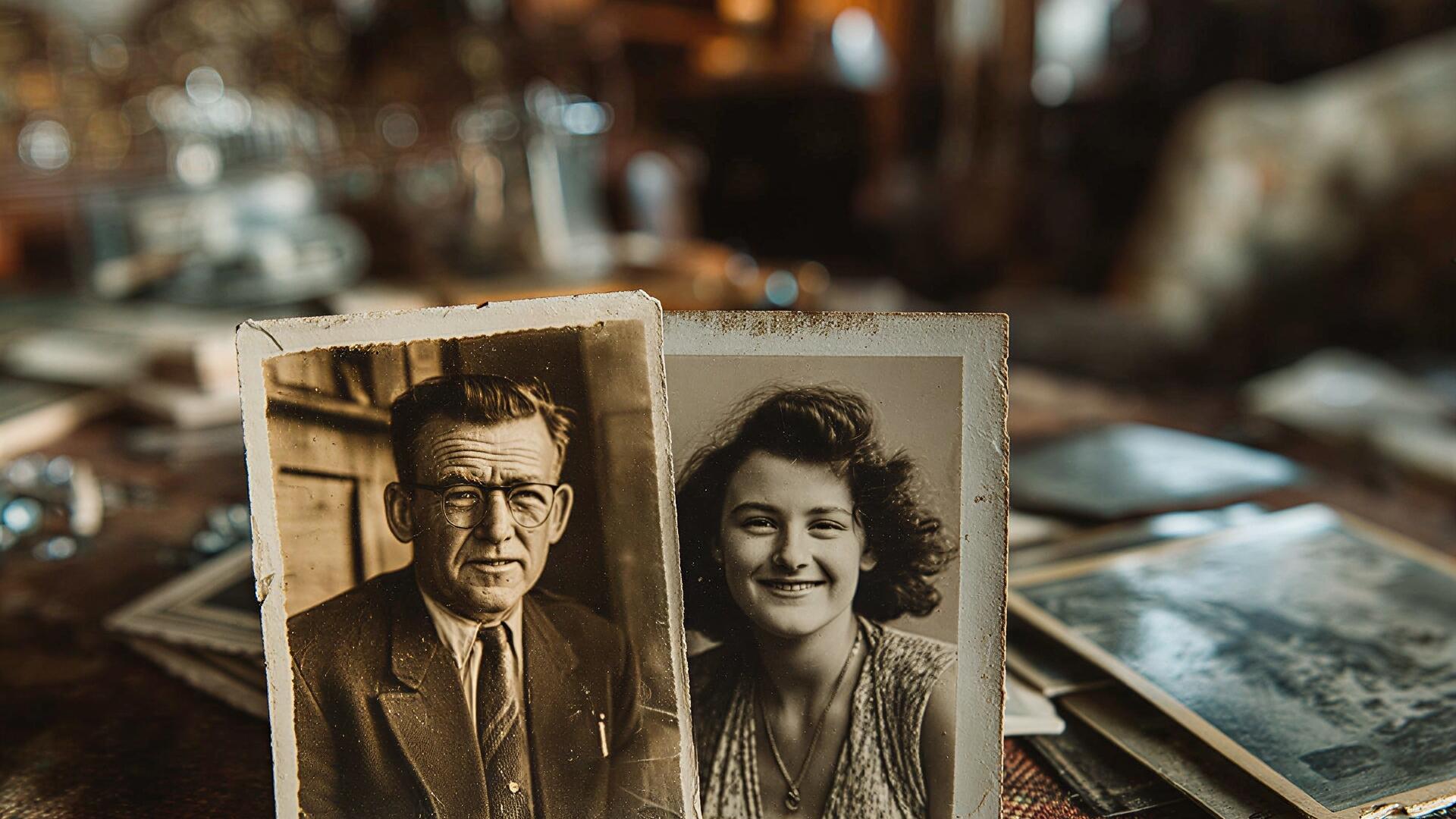

When the loss of a loved one shakes our lives, we often feel at a loss and alone in our grief. In such moments, the significance of rituals cannot be overestimated. They provide us not only with a framework to express our emotions but also help us preserve and heal shared memories. At charme.de, we have made it our mission to encourage women to recognize their own strength and the value of shared experiences. In a world where feelings are often suppressed, we want to show you how rituals in grief work can support both individual and communal healing processes. It's not just about loss, but also about celebrating life, about memories that connect us, and about the power of community. Let's explore together how we can bridge memories through rituals of remembrance that give us strength and support us on our healing journey.
Rituals in grief are far more than just symbolic actions – they are deeply rooted cultural practices lived in different forms worldwide. Whether it's lighting a candle, sharing memories together, or a special memorial celebration, all these rituals help to understand and process grief. They provide a space where you can express and share your feelings with others. These shared experiences create a connection among the mourners, allowing you to identify with the emotions of others. Sharing stories about the deceased can provide comfort and keep the memories alive. A ritual can also highlight the life references of the deceased and celebrate the positive aspects of their life, which is invaluable for the grief process.
The Role of Community
The community plays a central role in coping with grief. Rituals performed together with others strengthen social bonds and promote the exchange of memories and feelings. When you join with like-minded individuals who have had similar experiences, a special form of solidarity often emerges. In these moments, sharing grief becomes a collective experience that lightens the individual burden. Shared memories, such as an annual memorial or creating a joint photo album, uplift and enable the creation of a network of support and understanding. The moment of shared remembrance allows space for gratitude and the possibility to heal a little more with each story.
Practical examples of rituals can be found in many cultures, and they can easily be adapted to your personal needs. It could be a simple garden ceremony where each participant places a stone with a word or sentence of remembrance to create a symbolic connection. Another possibility could be a digital memory book where relatives can share photos and stories – a place where the memories of a loved one are kept alive, even if you are physically apart. Such rituals not only promote the individual healing process, they also facilitate an exchange that is essential for the community.
Creating Individual Rituals
In addition to communal rituals, individual rituals can also offer a variety of ways to process grief. Perhaps you decide to create a retreat spot in your home where you surround yourself with memories of the deceased. Setting up a memorial altar with photos, personal items, and candles can be a powerful symbol of your grief and love. Each time you pass by and light a candle, you not only give in to your grief but also show that the memory of the deceased remains alive. It's important to find rituals that resonate with your feelings and give you the opportunity to shape your path through grief.
Another option is to write a letter to the deceased. This can be a cathartic experience where you express all the things you wish you could have said to them. You can then bury this letter in a special place or symbolically 'send' it in another way. In such personal rituals lies a power that can help you express your pain and maintain closeness to the deceased. Discovering your own way of expression is an important step in coping with grief.
Summary and Outlook
In summary, rituals play a central role in grief work. They provide the opportunity to actively shape grief while keeping memories of the deceased alive. Through communal and individual rituals, you create a space for your emotions and promote your healing. It's important to find the rituals that fit you and have meaning for you, whether in community with others or in personal moments of remembrance. These rituals not only give you the strength to understand your loss, but they also help you transform your memories into acts of love that accompany you on your healing journey.
Ultimately, rituals in grief work can help find further meaning in loss and transform personal emotions into an act of connection. Feel encouraged to explore the diversity of ritual practice and find the path that suits you. Whether together or individually, it is the intention behind these actions that makes the difference. Instead of carrying grief alone, I invite you to join with like-minded individuals and share your memories and experiences. Thus, grief becomes not only a process of letting go but also a way to redefine love and memory.