
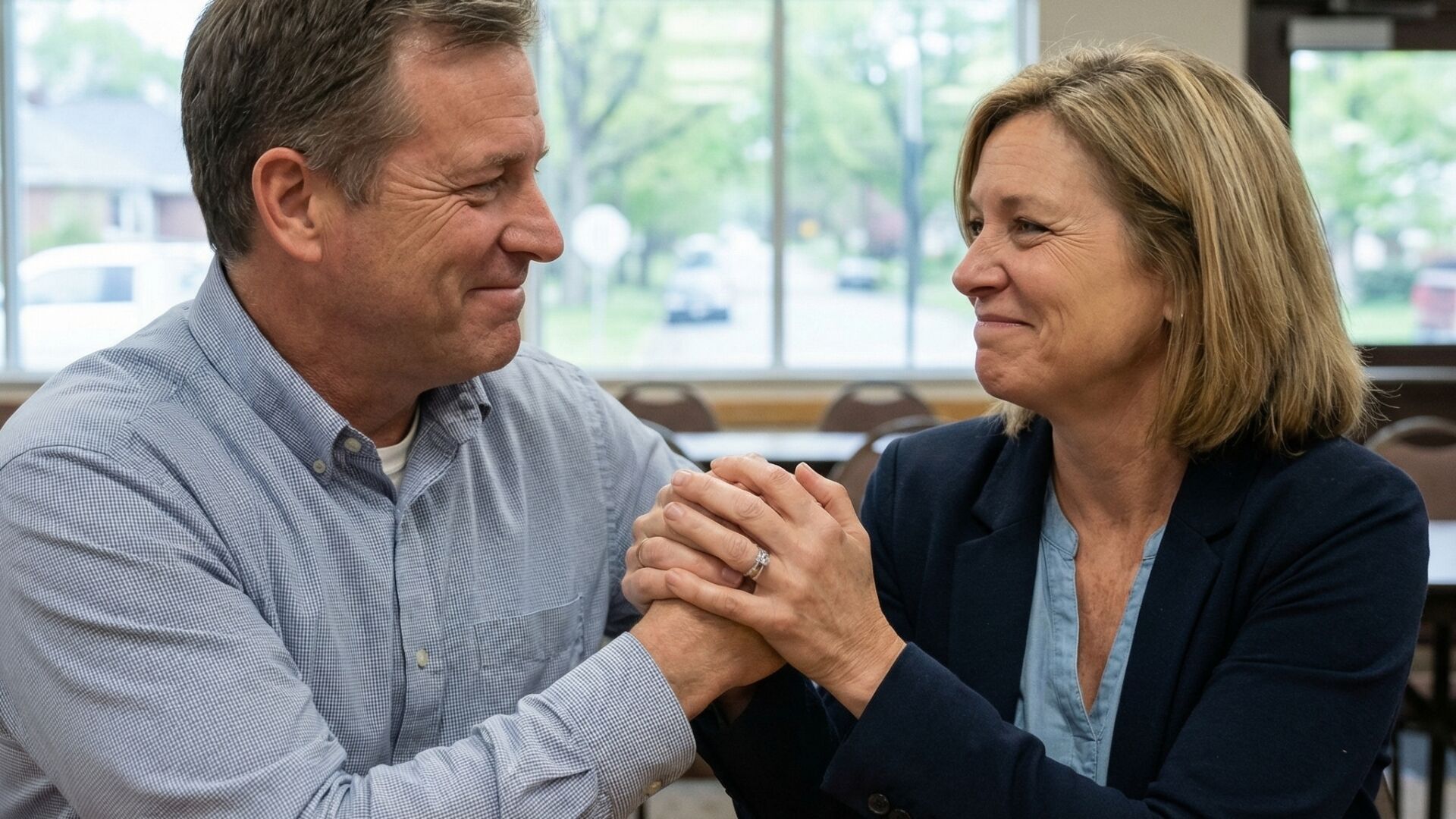

Empathy plays a crucial role in conflict resolution and can make the difference between a tense confrontation and a harmonious solution. At charme.de, where we inspire women to find their own strength, we emphasize how important compassion and understanding are in nurturing relationships. In this article, we will explore how you can use empathy in interpersonal conflicts to not only clear up misunderstandings but also build deeper connections. Seeing things not just from your perspective but also understanding the other person’s viewpoint can lead to greater mutual respect. Let's explore the power of empathy and its impact on your relationships.
Empathy is more than just a feeling; it is the ability to put yourself in someone else's shoes and understand their emotional experiences. This is particularly important in conflict situations, where misunderstandings and hurt feelings are often the main causes of disputes. When you strive to understand the other person's motives and emotions, you can create a much more soothing atmosphere. For example, if you are in an argument about who does the household chores better, addressing the other person’s concerns can help capture the real causes of the conflict. You may recognize that it’s less about the tasks themselves and more about recognition and appreciation.
The importance of listening
Active listening is a central component of empathy. It is about making the other person feel heard and understood. When you stay engaged in a contentious discussion and truly listen, you can often get to the heart of the problem. Try to use paraphrasing techniques, such as repeating what the other person has said or asking questions to ensure that you have understood correctly. This shows the other person that you genuinely care about their perspective, which can often have a calming effect and facilitate further communication.
Furthermore, active listening can help reduce negative emotions that arise in conflict situations. People often feel defensive when they believe that their opinion is not valued. However, when you create space for each other to speak, the conflict is rarely going to escalate further. A simple acknowledgment that you are listening to their views can often smooth things over and turn the argument into a constructive discussion.
Another important aspect is to avoid making assumptions. We often assume we know what the other person is thinking or feeling, and this can lead to misunderstandings. By asking open-ended questions and seeking clarifications, you can avoid misunderstandings and capture the other person's emotions better. This is a simple but effective step in showing empathy and fostering a healthier dialogue.
Setting boundaries with empathy
But empathy does not mean you should set aside your own needs. It is important to set boundaries, even in conflict-ridden situations. By showing compassion, you can also make it clear that certain behaviors are unacceptable. It is a balance between understanding and self-protection. You do not always have to accept the other person’s viewpoint; genuine dialogue thrives in the diversity of opinions.
An example would be if a friend is always late for meetings. You can understand their perspective and recognize that they are busy. But it is equally important to let them know that you feel uncomfortable when they are not on time. This way, you show that you acknowledge their difficulties while also communicating your own needs in the relationship.
Setting boundaries in an empathetic way promotes personal integrity and helps maintain a healthy balance in relationships. This prevents you from becoming a target for negative behaviors while still allowing for open and honest conversations. Empathy opens the door to understanding, and clear boundaries preserve your own emotional space.
Conclusion and calls to action
In summary, empathy in conflict resolution is an essential skill that not only helps alleviate tensions but also fosters deeper, more meaningful relationships. The ability to listen, understand, and at the same time set boundaries can change the dynamics in any relationship. We are all human beings with complex emotions. By striving to recognize this complexity, you will be able to resolve conflicts kindly and respectfully.
Remember that empathy requires practice and patience. Approach conflicts with perspective-taking and active listening, and watch how your relationships evolve. Every step you take towards a compassionate approach brings you closer to harmonious interactions that can ultimately enrich and enhance your life. It is a process that is rewarding for both you and the people around you.
Finally, I want to encourage you to apply these tips in your daily life. You will be surprised at how much easier it is to resolve conflicts when you use empathy as your tool. It is your time to bring harmony into your relationships and develop your emotional intelligence.