
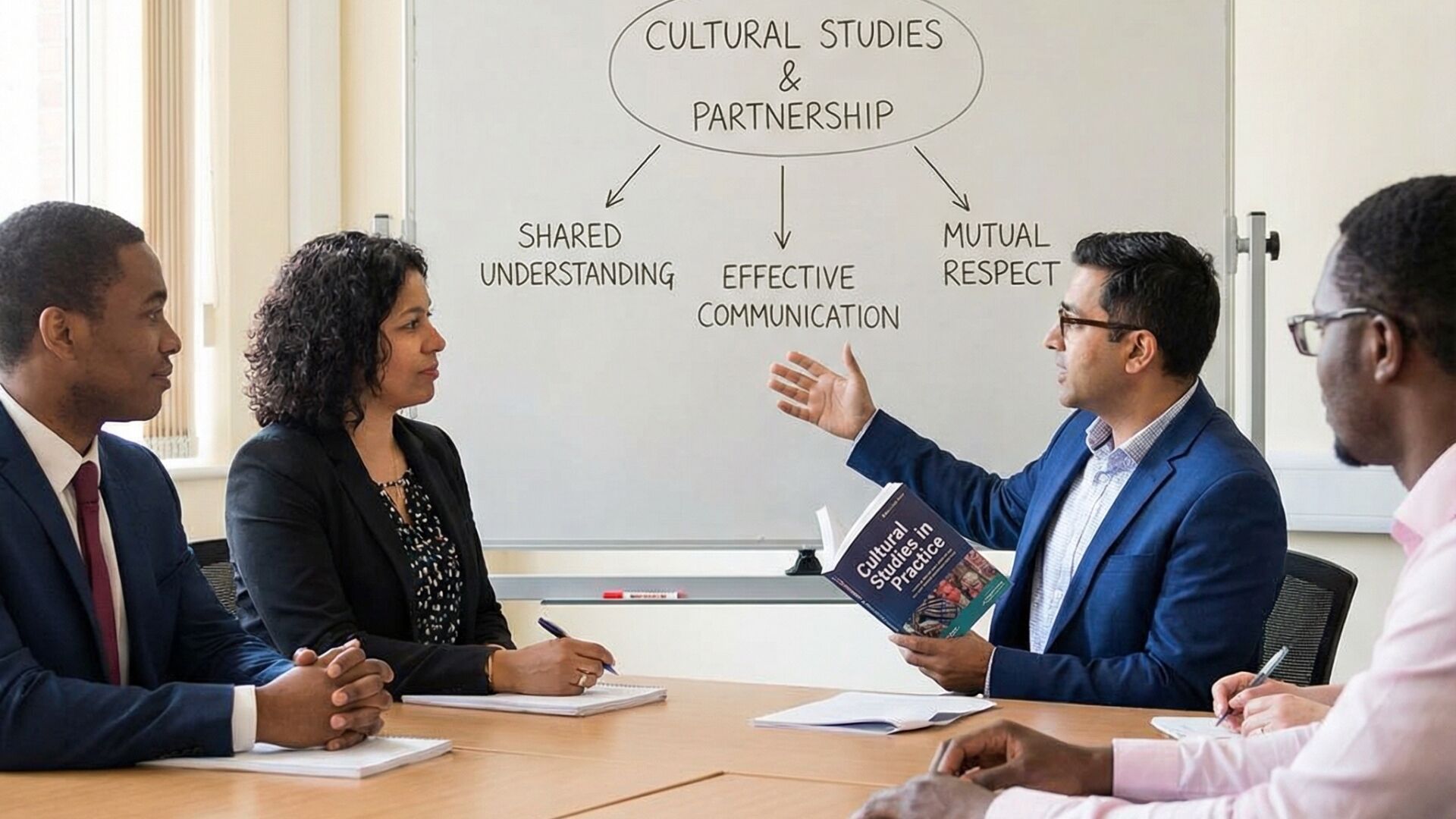

In today's globalized world, relationships are increasingly shaped by cultural differences. Understanding these differences is crucial for the success of partnerships. Klatsch.de brings the most exciting stories from the world of celebrities, who often find themselves in intercultural relationships. In this discussion, we want to shed light on how studying cultural backgrounds can expand understanding and bonding in relationships. Emotional intelligence and intercultural competence play a central role in building a solid relationship. We will explore how knowledge of different traditions, values, and behaviors can improve communication between partners. This article provides you with useful insights to reflect on and potentially enrich the dynamics of your own relationship.
Cultural studies offer a valuable perspective on human interaction and help us understand how different backgrounds influence our relationships. When two people from different cultures come together, they bring individually shaped values, beliefs, and traditions into the relationship. These differences can represent both enrichment and challenge. An example is couples where one partner has a more traditional view on family, while the other has grown up in a more liberal environment. Here, it is important to have open conversations so that both partners can express their expectations. Such discussions foster understanding of each other's perspectives and can prevent misunderstandings.
The Importance of Dialogue
A central aspect of intercultural relationships is dialogue. Open communication allows partners to discuss their cultural differences and clear up misunderstandings. To achieve this, couples should be active listeners and willing to show empathy. This means being able to put oneself in the other person's shoes to understand their views and feelings. In this way, trust is built and a strong foundation for the relationship is created. Dialogue can also mean informing oneself about and appreciating the cultural holidays and traditions of the other. This shows interest in the partner's culture and strengthens the emotional connection.
An example could be a German couple where one partner comes from a culture with strong family traditions. It may be helpful to jointly learn about each other's cultural backgrounds and find ways to integrate these traditions into everyday life. This creates valuable experiences that enrich the relationship. This may include celebrating festivals that play a special role in the partner's life. Such experiences foster the relationship as they demonstrate that each partner is willing to make compromises and respect the other's culture.
Challenges and Opportunities
Of course, intercultural relationships also come with challenges. Prejudices and misunderstandings are often part of the equation. Therefore, it is important to engage deeply with cultural differences. Some couples may initially struggle, as different communication styles can lead to conflicts. However, it is essential to view these challenges as opportunities. Couples can learn from each other and grow together by accepting and leveraging their differences. Often, it helps to become aware of cultural norms and values to incorporate them into one's own relationship.
Additionally, it may be beneficial to learn about cultural celebrations and customs. Such activities not only provide an opportunity to celebrate diversity but also strengthen the relationship by creating shared memories. Married couples often appreciate the wealth of experiences that intercultural dynamics bring to life. By respecting differences and commonalities, a deeper relationship that transcends cultural boundaries is fostered.
It is important that couples also keep the relevance of cultural studies in mind during difficult times. The willingness to continuously educate oneself and remain open is key to relationship life. When one consistently seeks dialogue and respects the cultural backgrounds of their partner, this can contribute to building a strong and harmonious partnership. An open ear and a willingness to change are crucial for long-term satisfaction.
Conclusion and Recommendations
Cultural studies in partnerships open doors to a deeper understanding of one’s partner. If you are willing to accept and learn about cultural differences, it not only improves communication but also mutual trust. Open conversations, empathy, and the willingness to engage with one another are essential building blocks for a successful relationship. The path to an intercultural relationship is not always easy but can ultimately be a valuable enrichment.
Additionally, it is helpful to actively seek opportunities to experience and appreciate cultural diversity. Traveling together, cooking traditional dishes, or celebrating culture-specific holidays can be wonderful ways to strengthen partner bonding. Ultimately, what matters is that both partners are willing to engage with each other and continuously reshape the relationship based on understanding and respect.
Remember to regularly question your own perspective and ensure respectful communication. By viewing cultural differences as an opportunity, you can not only enrich your relationship but also grow personally. Ask yourself: How can you actively contribute to a harmonious, respectful, and loving relationship? The answer could be the key to a deep and meaningful partnership.