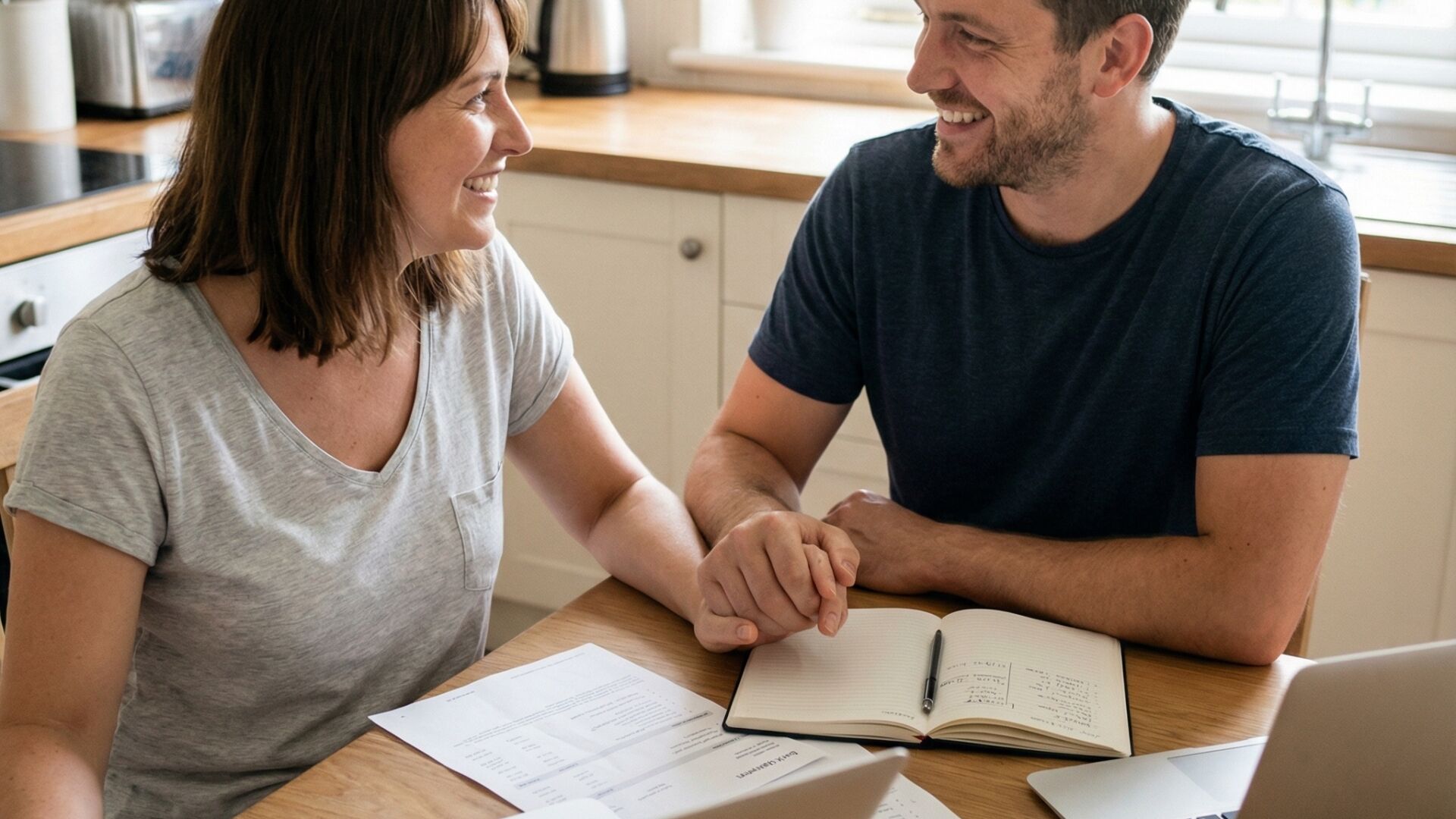
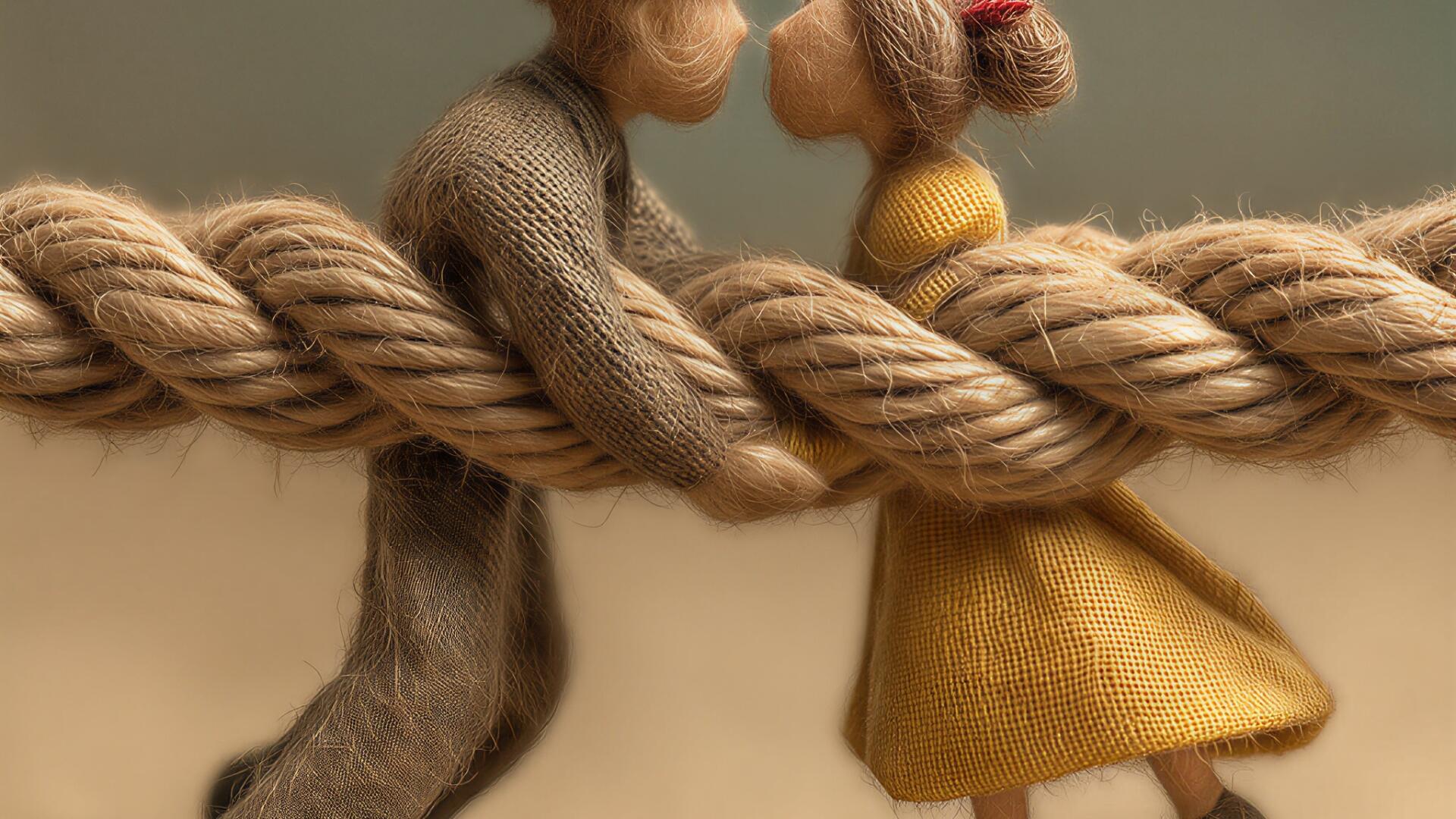

In relationships, whether romantic, friendly, or professional, conflicts are unavoidable. We live in a world full of different opinions, values, and experiences that can lead to misunderstandings. Therefore, it is crucial to develop conflict resolution skills to master these challenges. At charme.de, we believe that every woman can unleash her own strength by learning active communication strategies. These skills not only help to mediate conflicts but also contribute to strengthening emotional intelligence and creating harmonious relationships. In this article, strategies will be highlighted on how you can develop a constructive culture of conflict that is beneficial for both you and those around you. Let's find out together how you can elevate your conflict resolution skills to a new level!
Conflicts in relationships are often a sign of deeper emotional needs that are unmet. To resolve conflicts effectively, it is important to understand your own emotions and those of the other person. Start by naming your feelings and clearly communicating what bothers you. Empathy plays a central role: try to put yourself in the other person's shoes. This means actively listening and understanding that every perspective is valid. This mutual recognition creates a foundation for constructive exchange and reduces misunderstandings. If you have difficulty controlling emotions during a dispute, it may be helpful to take a short break. This gives both parties the opportunity to gather their thoughts and reflect.
Importance of empathy
Empathy is the key factor in conflict resolution. When you truly want to understand what your conversation partner feels, you can better assess the situation. It is important to use acceptable and empathetic language that shows respect and appreciation. Instead of making accusations, formulate statements in the first person to clarify your own feelings. Phrases like "I feel hurt when..." avoid aggressive reactions and invite dialogue. Remember to also pay attention to nonverbal signals; sometimes body language says more than words. Gestures, facial expressions, and tone of voice can be crucial in how messages are received.
Another important aspect is the preparation for conversations. Engage with the topics you want to discuss and think in advance about how best to present your points. Avoid arguing in the heat of the moment; this can lead to hurtful remarks and escalate the conflict. Stick to the matter at hand and leave personal attacks out. It can also be helpful to use examples from the past to provide better context, making your concerns more concrete. This can help the other person better understand your perspective and recognize the impact of the issue.
Strategies for constructive solutions
An effective strategy for conflict resolution is finding compromises. Ensure that both parties have the opportunity to express their wishes and needs and can negotiate. The goal should not be to win but to find a solution together that is pleasant for both sides. Sometimes this requires both parties to be willing to give up something to reach a common ground. To promote compromises, it can be helpful to create a list of "possible solutions" that can then be discussed together. Remember that conflicts also present opportunities: they allow for the growth of the relationship and deeper insight into oneself and the other.
Another effective approach is the use of "I-messages." Instead of saying "You did that wrong," you might say "I feel uncomfortable when that happens." This way of communicating avoids accusations and opens the space for a responsible discussion. When the dialogue becomes challenging, take time for personal reflection to sort out your emotions and lower your stress level. This often leads to clearer thoughts and a more productive conversation when it occurs. Thus, the exchange becomes less confrontational and more collaborative.
Additionally, it can be helpful to develop rituals that promote communication. A weekly conversation about the relationship or setting joint goals can help prevent misunderstandings from arising in the first place. These methods not only increase the likelihood of identifying conflicts early but also strengthen trust and bonding between partners. The more you integrate communicative habits, the easier conflicts can be resolved in the future.
Conclusion and action steps
In summary, conflict resolution skills are essential for healthy relationships. These abilities enable you to tackle challenges and transform conflicts into growth and improvement. Remember during your next argument to focus on empathy and respectful communication. Make sure you speak clearly and openly about your needs, and actively listen when the other person shares their perspective. By using the strategies and techniques described, you can significantly enhance the quality of your relationships and build trust.
Also, use every conflict as an opportunity for reflection: What can you learn from your reaction and the outcomes? By continuously refining your conflict skills, you promote a harmonious coexistence based on understanding and respect. Let your words and actions become a source of reconciliation—not division. Relationships are a journey in which, with each challenge, not only individual strengths grow but also the bond between people.
Now you are ready to actively develop your conflict resolution skills! Set concrete goals, practice handling difficult conversations, and seek opportunities to apply what you've learned. With determination and passion, you can not only strengthen your relationships but also discover your own inner freedom and strength. Your journey to mastering conflict resolution begins here and now. Let the challenge shape you and show how valuable your relationships can be.