
In the complex world of interpersonal relationships, the terms love, lust, and attraction often arise. Although these three terms are closely connected for many people, each has its own characteristics and impacts on our lives. In this article, we will address the difference between love and lust and show how important it is to understand these distinctions to lead fulfilling relationships.
Being aware of these nuances helps not only in romantic relationships but also influences our friendships and even family bonds. We must recognize that love and lust are different, even though they often occur together. By taking the time to explore these concepts, we can better understand our own desires, needs, and connections with others.
What is Lust?
Lust is an intense desire that is often accompanied by a physical attraction. This type of attraction is often based on physical characteristics and the immediate desire for closeness to a person. Lust is often impulsive and short-lived, meaning it can manifest in a fleeting encounter. Sometimes, lust can lead to a passionate affair without the establishment of deeper emotional bonds. It is important to note that lust can be a natural and healthy experience as long as it is experienced within a respectful and consensual framework. However, it can also lead to disappointment and pain when approached incorrectly, if it turns out that the two people are emotionally incompatible.
What is Love?
In contrast to lust, love is characterized by a deeper emotional connection. Love is a multidimensional experience that includes emotional intimacy, trust, respect, and often a need for commitment. Love typically grows over time and requires regular nurturing and attention. It is often less impulsive and can endure even in difficult times. People who are in love tend to be there for each other, support one another, and grow together. Love often brings a deeper sense of satisfaction and fulfillment in relationships and can lead to happiness in a stable partnership.
Finding the Balance
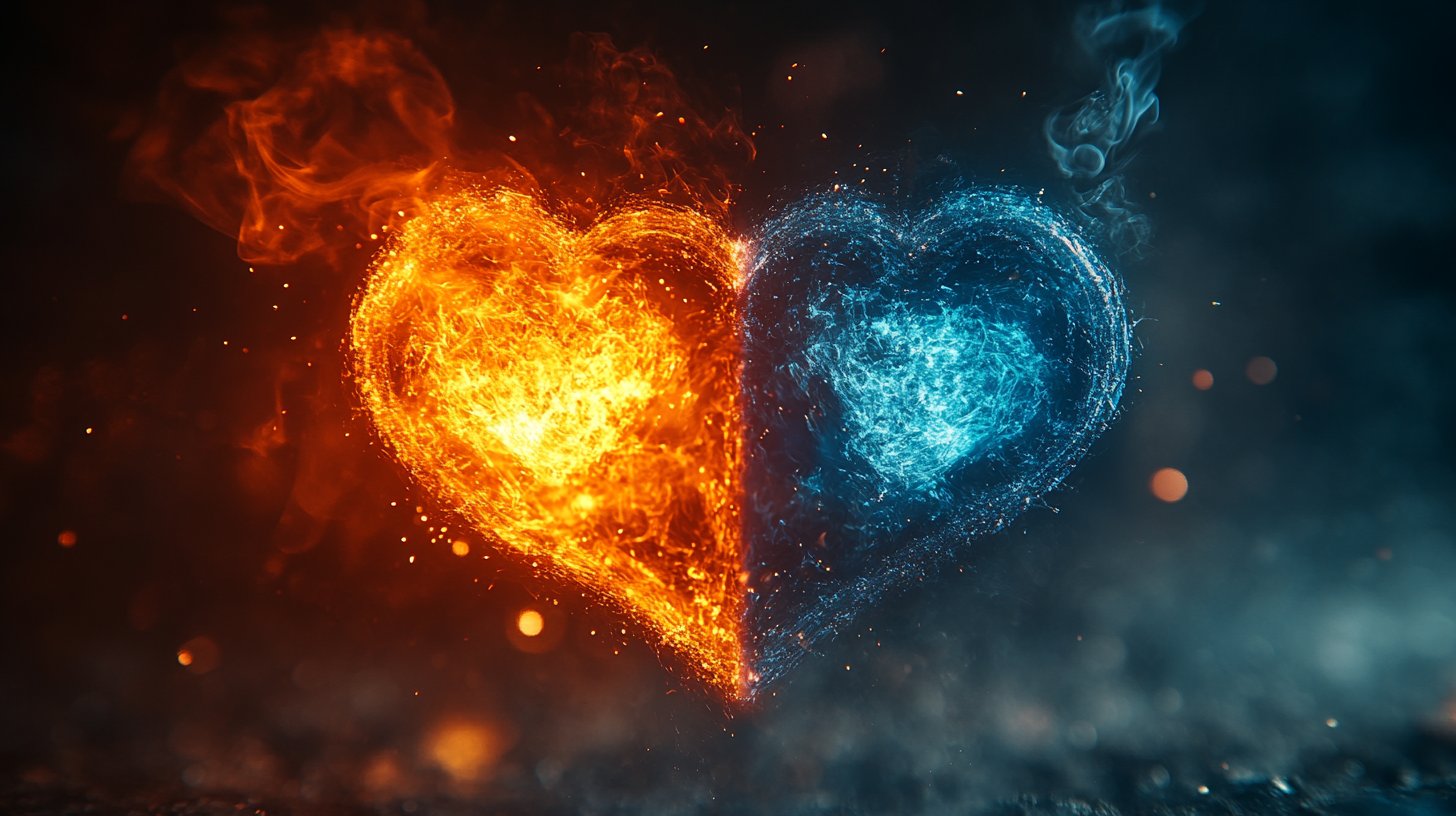
The interplay of lust and love can be both exciting and challenging. Especially when lust enters a relationship, there is a risk that we focus on the physical and neglect the emotional aspects. Conversely, when love predominates, physical intimacy may be lacking. To lead a harmonious and fulfilling relationship, it is important to nurture both physical attraction and emotional connection. Communication is key; couples should openly discuss their needs and desires and give each other space to express their feelings. Understanding the dynamics between love and lust can help reduce uncertainties and create deeper connections.
In a world that often values superficial connections, it is important to recognize the differences between lust and love and to reflect on one's relationship. Whether one is having a passionate affair or is in a long-term relationship, understanding these concepts enables each individual to build authentic connections with others. With clarity about their feelings and intentions, one can not only avoid misunderstandings but also achieve a deeper, more fulfilling way of life.
In summary, love and lust are two fundamental yet distinct aspects of interpersonal relationships. A healthy balance between the two is crucial for developing happy and respectful partnerships. By understanding the nuances of these emotions, we can not only get to know ourselves better but also be able to create deeper and more meaningful connections with others. Let us ensure that we align both our hearts and our physical desires to lead a fulfilling life.